Blog

Cricket, Barbados and Global Change

As any writer will tell you, the appearance of a new book or even a new edition is a special moment. All the years of research, experimentation, false starts, editing, doubt, desperation and even anxiety suddenly become worthwhile – at least until the anxious anticipation of reviews sets in.

But those same writers might also admit  that, if they have produced a few works, some are more special than others.
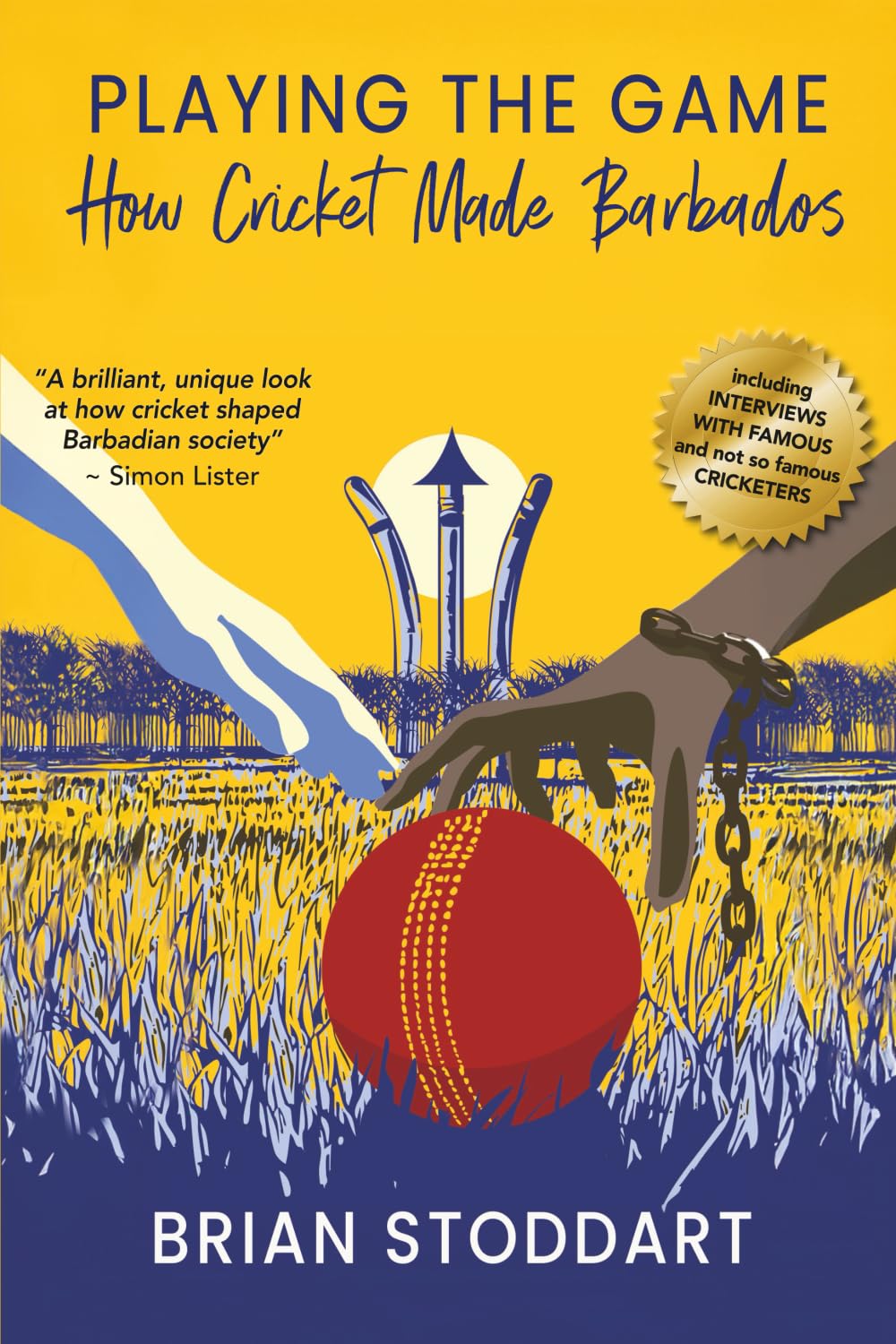
That is the case for me with Playing the Game: How Cricket Made Barbados which, as a social history, explains how the game’s organisation there enshrined colour, class and status as the determinants of societal relationships in the ongoing and still persistent aftermath of slavery. The island became one of the world’s best production lines of great players, but many of them had to fight hard to escape those tight social strictures and, indeed, many more potentially great players were defeated by the barriers they encountered.

As a simple historian the task was straightforward enough: do all the broader history and more specific cricket archival research to create the story and analytical lines.

Researchers all have archival horror stories, usually about disappeared sources or difficult archivists, sometimes a combination of both. There are often lighter moments, though. Years ago I was lucky enough to interview the wonderful George Rude, author of The Crowd in the French Revolution and an originator of the “history from below” approach by examining all the court records of arrested rioters. https://amzn.to/4k7JcTP   He had a marvellous story about being locked overnight inside the main French archive with that other equally wonderful historian of France, Richard Cobb.

There was precious little chance of being locked inside the Barbados Archives, with all the records looked after meticulously by the lovely staff members who were always as helpful as possible to the usually very few researchers. Once home for the unfortunate Barbadian victims of leprosy, the archives now sit just down the hill from the Cave Hill campus of the University of the West Indies, with occasional breaks from reading taken on the outside verandahs yielding glimpses of the fabled Caribbean. Sadly, a major fire during 2024 destroyed many invaluable documents.
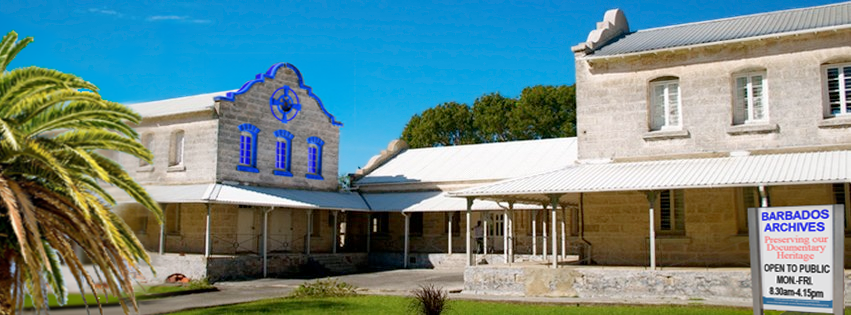
The cricket archives proved more elusive but I was able to access the Barbadian Cricket Association records while the marvellous Edith Kidney opened her family’s invaluable cricket collection.

And the wider hunt for material was motivating. A major source of early Bajan cricket detail is Bruce Hamilton’s 1947 Cricket in Barbados and, as always, the polymathic Gideon Haigh provides a great back story because Hamilton, brother to writer Patrick Hamilton, was a devoted Marxist all the while teaching at an elite school in the ever conservative Barbados. The book itself is scarce and normally expensive, but I found a copy in Barbados in a nondescript collection of books amidst the junk of a general store. Some internal notes suggest it belonged originally to “Shell” Harris, a notable cricketer, teacher and later sports commentator who appears in a lovely Herman Griffith-related story at p.45 of my book.
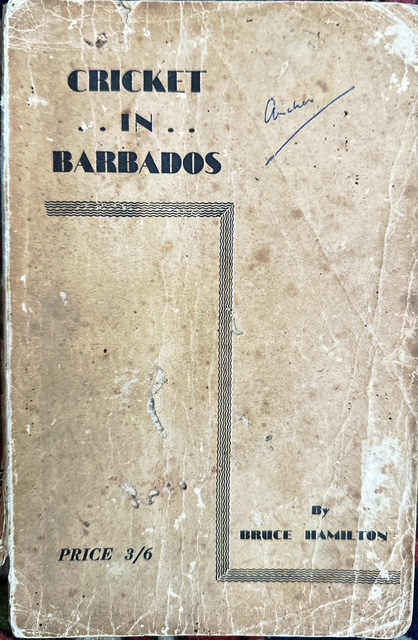
One of the sought-after Barbados cricket books

Stimulating though it all was, that alone did not spark this into one of those “favourite” books. Rather, that came from the place, its people and their combined impact on Sandi and me, especially through the lived cricket experience in contrast to the learned ones.

As I explain in the book, we engineered a year on half pay so I could play what turned out to be my last competitive year of cricket in Barbados which pegged its currency against the $US at precisely the time Australia’s just-floated dollar sank dramatically. Slim Pickens was not just the name of an actor that year. And selecting a team for which to play involved far more than mere cricketing ability, given the game’s socially constructed past. But my choice turned out to be a wonderful one as around the island I became known as “the white man playing for Maple”. That opened far more doors for us than if I had played elsewhere, at the historically white elite club, for example.
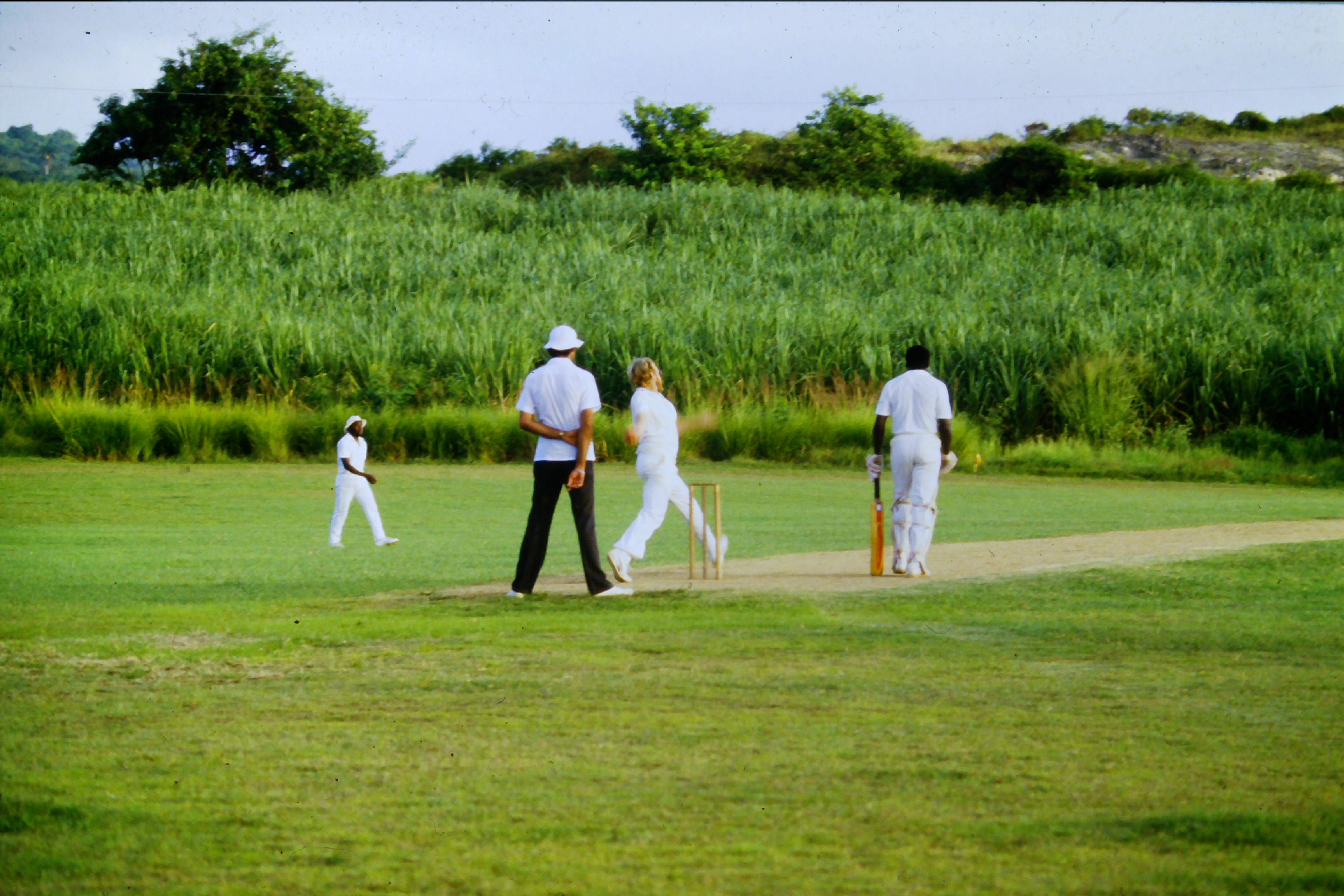
Playing the game there involved my becoming as much anthropologist and sociologist as historian, something I had done to a degree in my work on south India but never to this extent and with this sort of cumulative effect. I was living the game as well as playing and studying it, and most of the people I dealt with in Barbados thought, no, knew that was a crucial step in understanding how the island came to be the way it was and remains.

So every day became as much an exploration as a study of Barbadian social needs. A few years later Greg Dening at the University of Melbourne invited me to his “Histories in Cultural Systems” seminar where the great Chicago anthropologist Marshall Sahlins (a Cubs baseball fan) spoke to a history of human needs. In Barbados, cricket met much of the human need for social and psychological comfort and space as sport does more generally across a large swathe of the world. We experienced that at first hand in Barbados and, for me at least, that is a strong thread throughout the book.

Cricket there, and sport more generally, then, provides and important social service not met by other forms of activity, and capturing that has been a major target.

Interestingly, my other “favourite” book does much the same, and for similar reasons. I spent most of 2010 working in Syria and left as the recently concluded war was just emerging in all its awfulness. A House in Damascus: Before the Fall chronicles my lived experience of being in the magical Old City and remembering all the historical characters who experienced the people, practices and panoramas that I did and still remember with great affection.

In creating that “favourite” Barbados cricket book, there was also an extended learning curve provided by other writers. Prime among them, of course, was CLR James’s extraordinary Beyond A Boundary , still among the greatest of sports books even if most readers still struggle to see it as such. https://amzn.to/44dJ5jI   I read it first when I was seventeen and understood little if anything it said. Much of my longer term sports story has been gaining that understanding.

A later and more accessible “must read” was Michael Manley’s A History of West Indies Cricket.  https://amzn.to/4k7JcTP   Here was the socialist Prime Minister of Jamaica putting cricket firmly in the frame alongside the cause of Caribbean nationalism and self-determination. He might have been less erudite than, say, the eminent Harvard sociologist and fellow Jamaican Orlando Patterson who also wrote on cricket in the same vein, but with a far wider impact.

Another early read in that journey was Roger Kahn’s The Boys of Summer, the story of the Dodgers’ 195 World Series win with the headline act being Jacky Robinson, the first man to beat the colour bar in the major leagues. https://amzn.to/4k7mgnN  A marvellous piece of writing in its own right, it also made me realise that the importance of sport was not contained nationally, culturally or any other way. Modern sports dictate much of modern life.

Add traditional life to that, too, as with Clifford Geertz on the Balinese cockfight, best seen in his The Interpretation of Cultures.  https://amzn.to/4nedPcO  His insights there along with my own experiences in India and elsewhere sharpened my focus on Asian sports like sumo which, marvellously, is now explained socially in The Way of Salt by my Tokyo-based Australian friend, Ash Warren. https://amzn.to/3G8n4uv

If this all seems too learned, then I have worked hard to make these often complex ideas readable and accessible, and that means learning from great writers. There are probably far too few writers of academic bent turning  to Elmore Leonard for literary inspiration, but I do because the principle is that if you can keep them reading you will keep them learning – Clifford Geertz meets Raylan Givens, as it were, with Leonard’s Raylan a wonderful introduction. https://amzn.to/44pWne1   And Justified, the television version of those stories starring Timothy Olyphant and Walton Goggins, might just be at the top of my all-time favourites.

I can make the same “learning from writers” point with crime fictionistas like Michael Connelly, Kate Atkinson, Michael Dibden, Patricia Highsmith and all the rest.

At present I am catching up on the novels of David Nicholls, one of those lovely, clever writers who use of language captures the human spirit and quirkiness with ease and accuracy, as seen in his most recent one, You Are Here.  https://amzn.to/43Wsdis  His individuals are memorable and make the point about the social whole, when too often as historians we try to work that in reverse, for the most part unsuccessfully.

The old Selkirk Churchyard in Scotland where this Stoddart line originated.

Here, though, I am also influenced more recently by my journey into family history. As historians we often pontificate about what people did and why. When it comes to your “own” people, however, there is an increased need to “understand” better what often appear as to be harsh, unkind or even treacherous actions. In writing Barbados, then, I have been as mindful as possible in trying to think about the individuals inside this big collective.

I hope you enjoy the experience of reading the story, then, it has certainly given and still gives me the thrill and pleasure of having been there to put it together.

Note: I may receive a small Amazon commission for any orders lodged from links here
Words and Stories

 In Australia now, a stimulating read is hard to find in the public media with newspapers like The Australian retreating even further into mediocrity and hard right conservatism, opinionistas like Greg Sheridan or Paul Kelly braying the importance of Trump and bemoaning the loss of “traditional values,” politicians like Andrew Hastie prospecting war within a decade.

So being diverted by well researched and wonderfully written long-form piece in a journal like Harper’s is a relief. One by Daniel Bessner in the May edition on the transformation (for the worse) of Hollywood struck me particularly. It might be the best-yet explanation of what has happened to screenwriters and, among other things, why the writers’ strikes keep occurring and “franchise” films (notably from Marvel) dominate screens. Read it and learn, but in brief he outlines how a contracting number of private equity-dominated film houses lean on a similarly narrowing group of talent agencies to source new projects from “intellectual property (that which has been created before) rather than by new creative minds.

An outstanding piece, and a timely reminder we must keep trying to find such things. Much of my media-based information these days, for example, comes from Nikkei Asia, an English language offshoot from the Japanese Nikkei Company that incorporates the Financial Times and also publishes a Chinese paper. Katsuji Nakazawa, one of Nikkei’s leading writers, is a leading authority on Xi Jinping’s China but referenced too rarely outside Japan.

There is an important link between Daniel Bessner’s film writing world and the broader books and writing one where a similar transformation has occurred – a handful of conglomerate publishers work with a similarly aggregated small number of agencies so that a select group of writers dominates the market while most others need additional occupations to support their habits. “Midlisters” – who made a liveable earning from full time writing – have more or less disappeared.

One major effect, in the eyes of some, is that increasingly risk averse major houses end up publishing more of the same or replicating successful works produced by competitors, the publishing version of Bessner’s “product” or “intellectual property.” In turn, that helps explain the ongoing conundrum of there being more and more to choose from but less and less to select. Many readers, then, now contemplate a narrower selection variety spectrum.

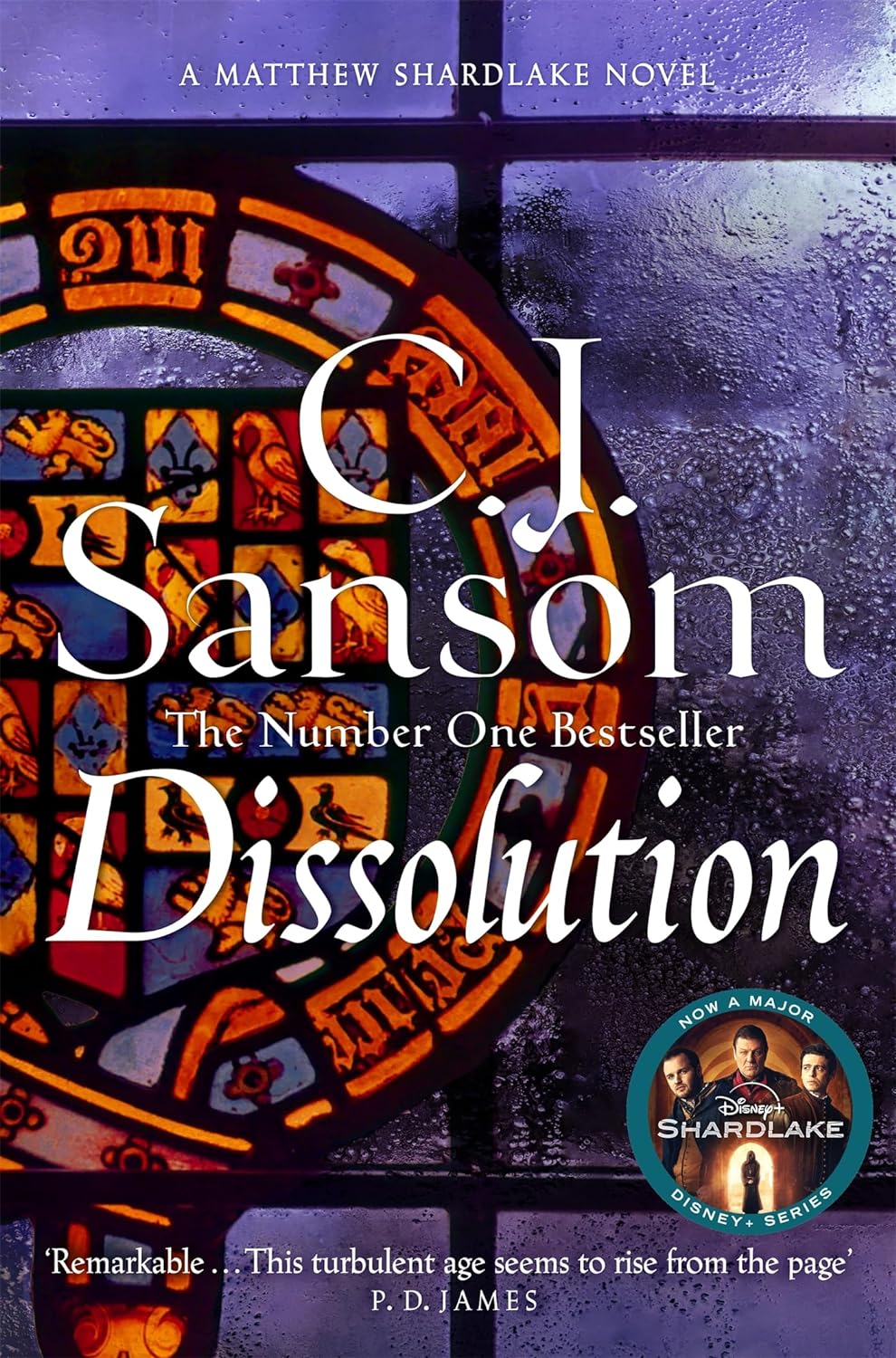
One of the best things I have read in a while, sadly, was a reread of CJ Sansom’s Dissolution occasioned by the author’s passing a few weeks ago. Chris Sansom did a PhD on Tudor history but retrained as a lawyer. His protagonist in Cromwell’s England is a hunchbacked lawyer, Matthew Shardlake who, throughout the series, navigates the era’s bloody politics while recording everyday life, customs and hardship. They are remarkable books and Sansom was a wonderful writer much missed already, as we miss Philip Kerr whose Bernie Gunther series set in Nazi Germany laid a benchmark for crime writing.

The strength of the Shardlake books stands confirmed in the just appeared new television series, but I need declare a conflict of interest. I had already read and admired Chris Sansom’s work by the time my first crime novel appeared. But that affinity shot up significantly when “Spadger,” an early A Madras Miasma reviewer, described its writing to be so good as to make Chris Le Fanu, my protagonist, as convincing and compelling a character as Matthew Shardlake. I could not have asked for a better compliment.

Sticking with crime and thrillers, Charles Beaumont’s A Spy Alone  is a cut or three above the average. Written by an ex-MI6 operative, the book revolves around the idea that just as Cambridge produced Burgess et al, surely there must have been a similar set at Oxford. The key character is a down at heel former spy now out in private detective work, commissioned to follow up some leads and unravelling a complex skein of coincidences.

It has rightly been compared favourably with the Charles Cumming and Mick Herron books, and I rate it above the other current favourite, David McLosky’s Damascus Station. David Downing’s Zoo Station, like Phil Kerr’s books, is set in 1930s Berlin and has a similar trajectory but because of that does not come out as a fresh work, good though it is. If you haven’t read Kerr, you will probably see it differently because Downing can write.

Phil Halton’s Red Warning is a reminder of Afghanistan’s ongoing issues, his local cop hero struggling with the aftermath of decades of conflict and the social consequences that have followed. Halton knows the area and that comes across well, though for me the main character is a little difficult to warm to and/or understand.

Across in the more directly noir scene Jordan Harper’s Everybody Knowsis a hot property with endorsements from Megan Abbott, Sean Cosby, Attica Locke, Harlan Coben and James Patterson. It is classic LA noir, a hard edged publicist drawn into a destructive cycle of events surrounding Hollywood and the influencer set with enough twists, turns and violence to satisfy the devotees of this genre.

It is good, new generational and all the praise is warranted. Somehow, though, the LA benchmark is still Michael Connolly. Unfair? Probably – I await the next Harper with interest.

Don Winslow, on the other hand, is a top draw mainstreamer and I have been devouring City of Fire as a start to what he reckons is his last trilogy (and, indeed, last ever book). Set in the 1980s, it portrays the Irish and Italian gangs of east coast America and is a real page turner, as are all his books. The characters are vivid, the storyline compelling, the settings distinctive and the action non-stop. He has always been a great dialogue writer and is in top form here, the “voices” authentic with wry humour relieving the violence. He really is one of the great crime writers.

Followers here know I am a Lou Berney fan, so his new book Dark Ride was high on my list to be read, and it is good. His unlikely hero is a hapless fun park ride operator who notices some very young kids looking vulnerable. He contacts the authorities, gets the run around, so starts investigating the circumstances himself. Of course, it all goes pear shaped and he puts himself in danger by antagonising drug runners and thugs, so we follow him as he becomes sharper and wiser. It is well worth a read.

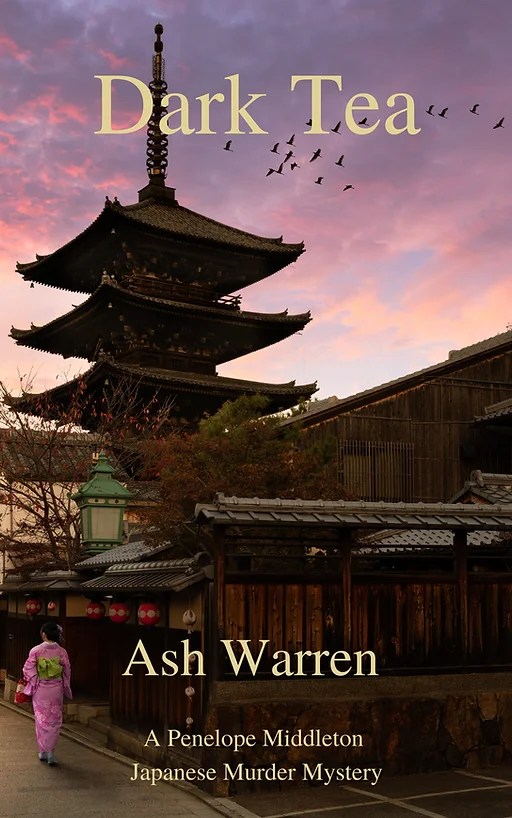
On the international front, let me mention Dark Tea, a “cozy” crime set in Japan and written by my Tokyo-based friend, Ash Warren who has also produced a marvellous book on sumo entitled Salt. Dark Tea features a retired foreign academic who uses her intellectual skills and knowledge of Japan to solve the mysterious death of the head of a major tea ceremony school family. A gentle story, it unlayers the intricacies of Japanese culture and practice.

Ed Lin’s Ghost Month is a sharper noir set in Taipei which I reread in advance of spending a few days there recently. It is one of those books that demonstrate the difference between an “inside” and an “outside” observation of a city and its population. That is often the marker of great works as we think of, say, Connolly and LA, Rankin and Edinburgh, Peter Temple and Melbourne, Fred Vargas and Paris and all the rest. Ed Lin’s book is set in many of the Taipei locations I saw, but tells a story largely hidden from the outsider, so as well as being a good read is an instructor about what is really going on there.

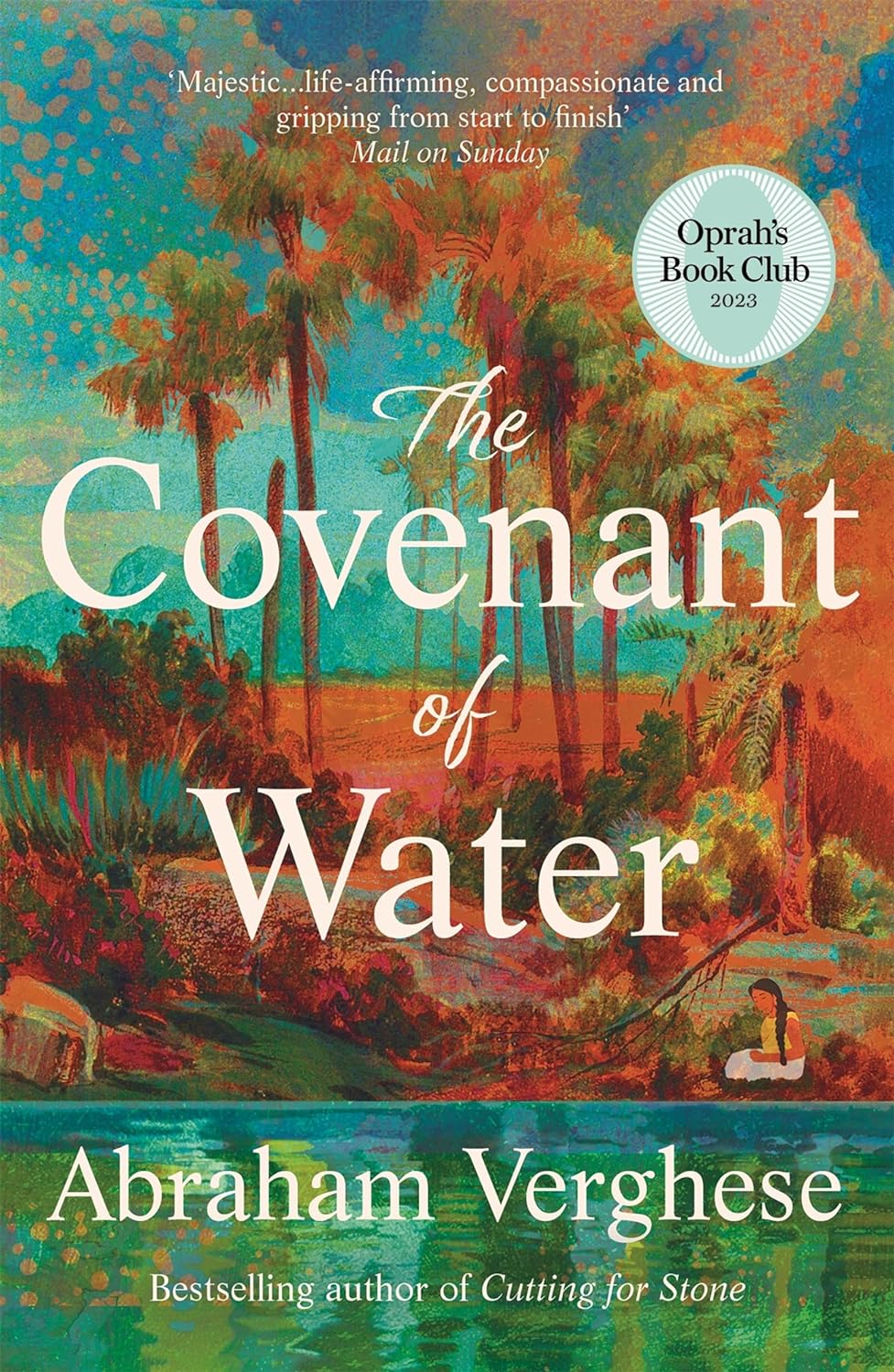
Abraham Verghese’s The Covenant of Wateris a major best seller and he has recently been on tour in New Zealand and Australia. It is more literary fiction than crime but is set in Kerala, one of my favourite places in India. A big historical sweep, it tells the varying stories of family generations and draws on the area’s storytelling tradition. For anyone used to the tautness of crime fiction this will seem a lush, extensive and sometimes overworked book, but it captures the Kerala atmospherics and landscape perfectly.

To my surprise, in his Notes, Abraham Verghese acknowledges my biography of Arthur Galletti as the source for a storyline idea. Galletti never served in “Malabar,” as the area was known under the British, but he did a lot of research on the early Dutch presence there and I enjoyed writing his story, so this was a nice moment.

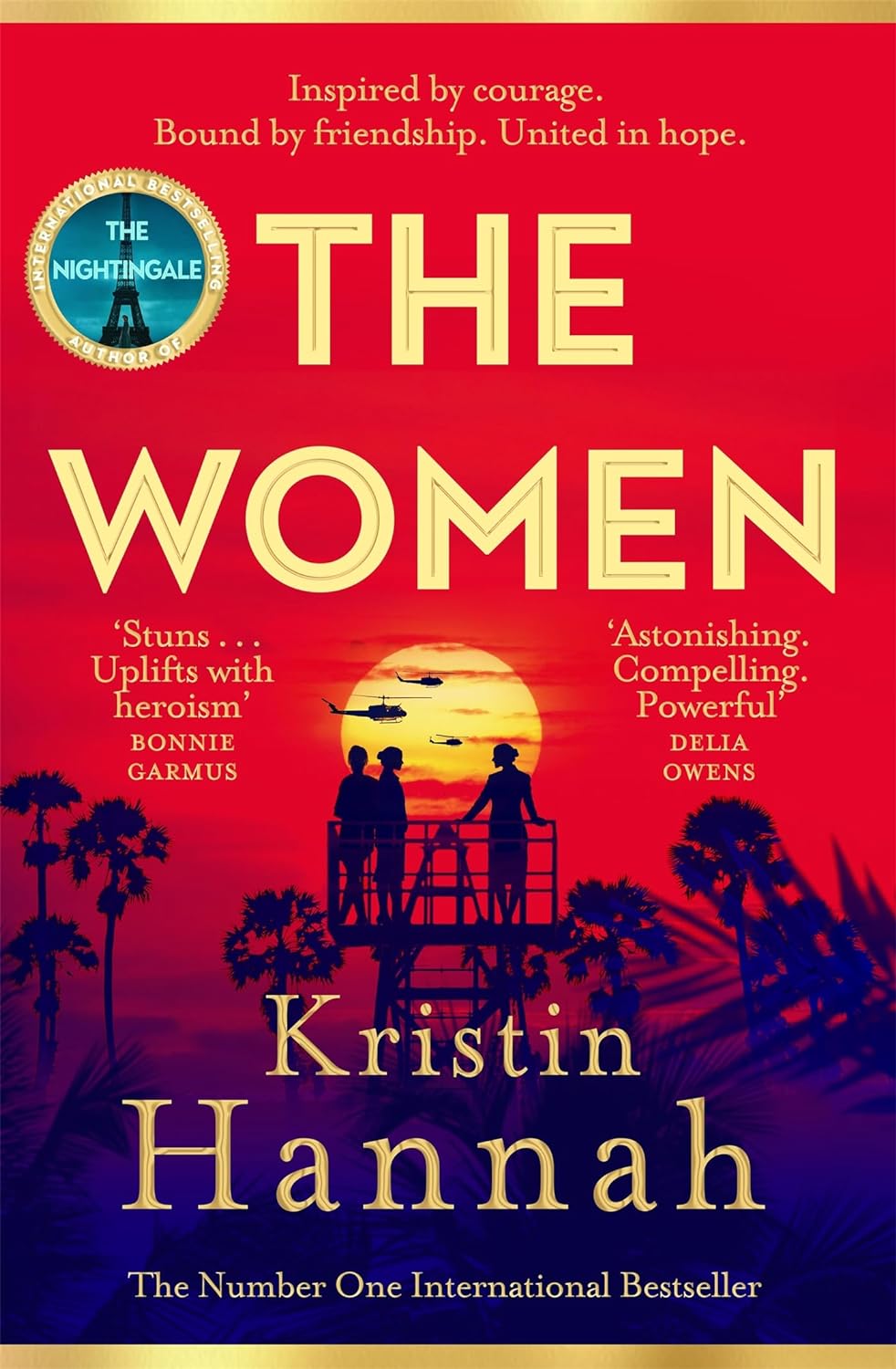
Continuing the literary fiction line, Kristen Hannah’s The Women recalls the extraordinary role played by nurses during the Vietnam conflict. She captures the period well, underlining the sexist tone that underplayed the importance of that work within and without the military world. The heroine is ostracised by her own family for joining up after her brother dies in combat. All the social tensions are played out against the backdrop of the burgeoning feminist push so, overall, the book is a great reminder of the period as a whole.

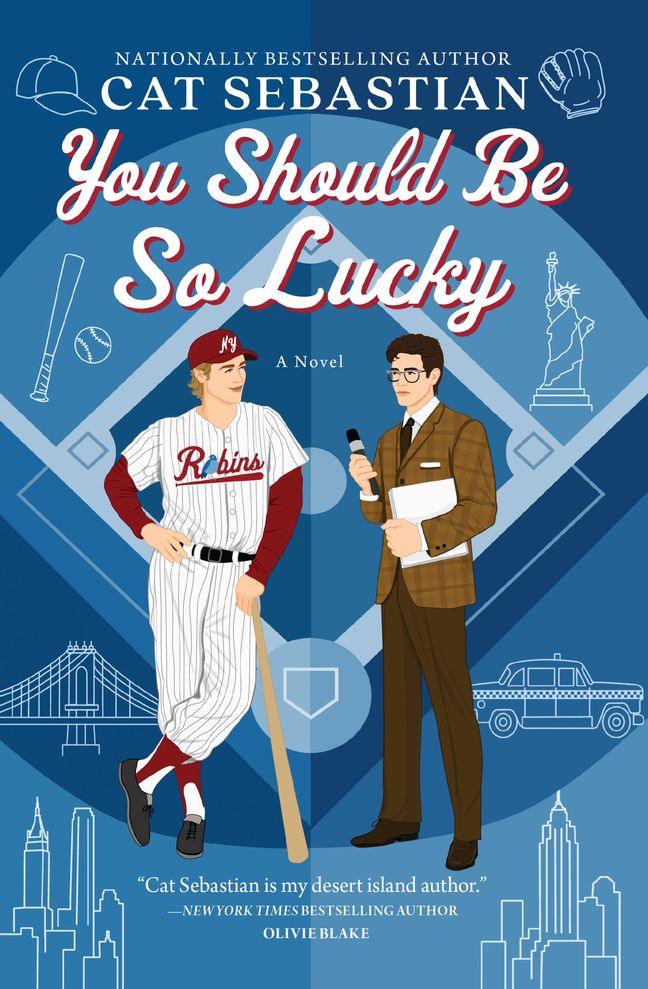
A very different book, Cat Sebastian’s You Should Be So Lucky tells the story of a gay baseballer meeting up with a gay journalist in 1950-60s New York. Her website declares she writes “queer historical romance” and this book shows how good genre swapping and crossing can be if done well. It is a different read, though, be aware. Any crime writer would be doing an edit, but Sebastian gets the sport and the era well, as well as the tensions of being gay during that period – remember McCarthyism and all that went with that? It does not really appear here but her atmosphere catches the drama.

And just to show the power of good creativity – throughout this baseball read I could not “see” the journalist character in any other form but “Trent Crimm” as played by James Lance in Ted Lasso, one of my favourite television watches in recent years.

These fictional creations, of course, often or indeed almost always have some origin in reality which takes us to non-fiction where my most evocative recent read has been A Hitch in Time, a selection of Christopher Hitchens’s essays for the London Review of Books. Who can forget his mesmeric television and personal appearances where he dominated everything and everyone by force of intellect and oratorical ability. He made iconoclasm look easy. The same goes for his writing, every essay contains gems of both expression and insight. It is still hard to believe he is gone, but the writing remains.
David Finkel’s The Good Soldiers and Thank You For Your Service, featuring American troops based in Baghdad then their return to the United States, are two of my all-time favourite books so I have been looking forward to An American Dreamer, his take on Trumpian America. Effectively, he follows a couple of his soldiers again to see how they react to what is unfolding in politics and society, producing some good insights and memorable lines. I came away, though, thinking that because his story draws on too narrow a social sample it perhaps comes out a bit “thin.” Finkel never imposes his own view, he is in a true sense a “reporter,” a skill that has deserted too many modern “journalists” (like those at The Australian). That is a bonus when a multitude of characters/subjects have plenty to say, but that is not the case here. But Finkel is always good to read and we do learn something of the new American order that worries so many people in the States and around the world.

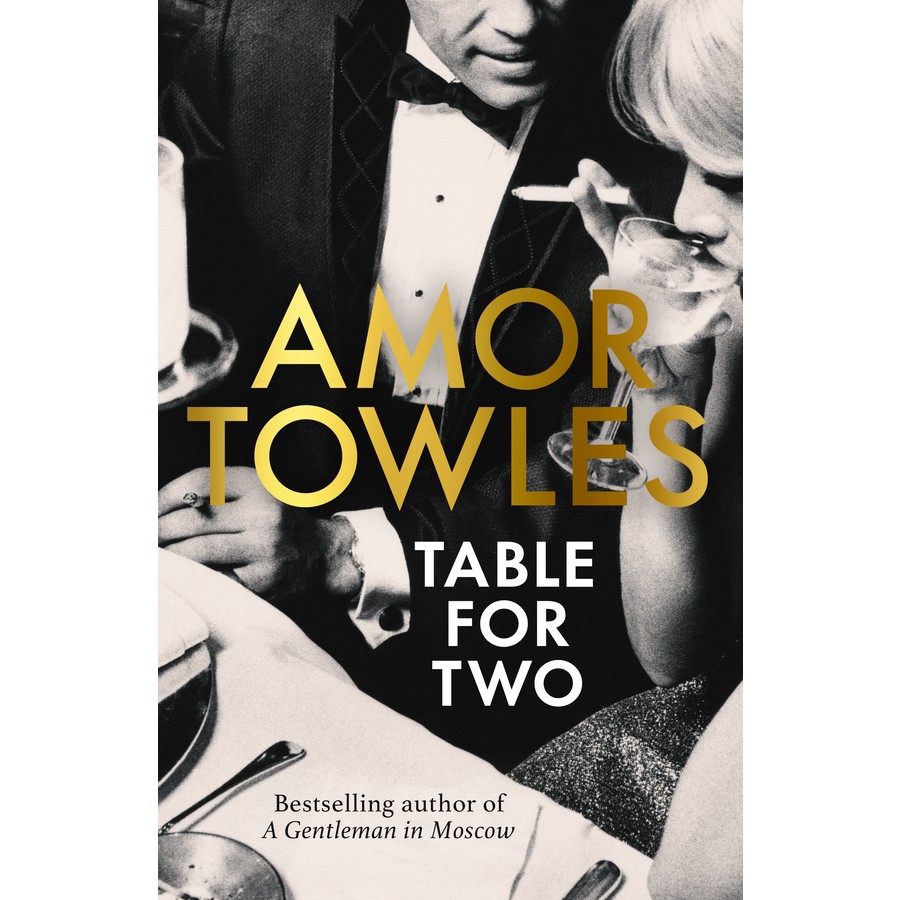
I would not often finish by suggesting there is something better than Finkel or Hitchens, but there is and it is back to fiction, the knockout Table for Two by Amor Towles. A Gentleman in Moscow; Rules of Civility and The Lincoln Highway have been spectacularly successful for him, and it is easy to see why. Here, in a series of linked novellas set in New York and then LA, he stalks the early days of the movie industry and its surrounding cultures. His heroine is one of the early fixers who looks after real names like Olivia de Havilland, protecting her from predatory bosses and actors like, of course, Errol Flynn. Towles really knows the history and is the supreme wordsmith – every page has some memorable writing. It is a wonderful, must read book.

Now I did mention Le Fanu. Well, I hope you will be pleased to learn (and tell your friends) that he is reappearing because we are progressively releasing new editions ofall four books in the series and will let you know the details very soon.

And because of that – and thank you all so much for asking – a new Le Fanu 5 is under way. Stay tuned!

NOTE: I may receive small commissions for some purchases made via links provided here.

All At Sea

All at Sea

As you will have gathered from the previous post, for much of this year so far Sandi and I have had the great fortune to travel with the Seabourn cruise line where I deliver on-board “Conversations” that help guests understand the new cultures in which they find themselves. First came back to back cruises Hong Kong to Singapore then Singapore return through Southeast Asia. That previous post covered the next voyage from Darwin up to Taipei after which we spent three weeks in Japan before completing the most recent one, Kobe across to Vancouver via the Aleutians and Alaska.

Having reached Japan we spent time in one of the older parts Tokyo, around the traditional shopping precinct in Yanaka that also happened to be close to the Nippori fabric district. It is amazing to be in one of the world’s largest cities yet still feel relaxed and able to move about, even during blossom season (apart from boom areas like Akihabara). One highlight was meeting Ash Warren, an Australian long resident in Tokyo and author of a marvellous book on sumo, the national sport and among the world’s oldest professional ones.

Then came Kyoto and the Philosopher’s Path as well as some marvellous netsuke and fabric museums, and the start of our search for the best okonomiyaki. Somewhat loosely described as Japan’s pancake dish it is really a marvellous fast food creation with fresh vegetables, bacon, egg, sauce and pancake-like mix, all finalised through dextrous spatula work on a hot plate with the performance as important as the final product.

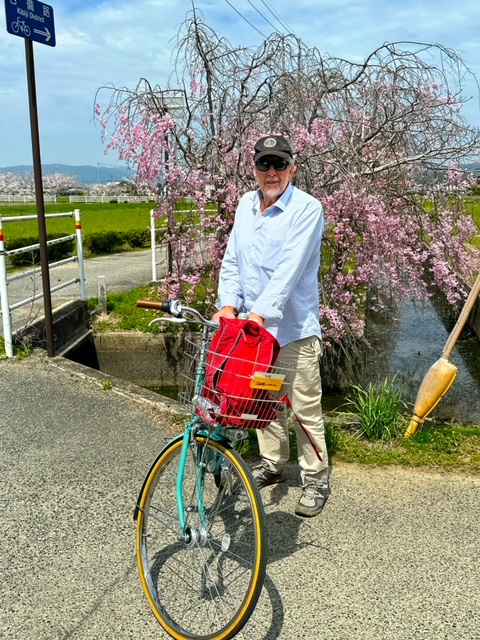
Okayama was next, a lovely city famous for the Korakuen gardens which are splendid at any time let alone the cherry blossom one. The canal walk gardens at night are also a delight, but the real highlight was a bike ride in the country. We travelled by local train to a remote stop which hosts a bike hire shop, then set off on a twenty kilometre ride through villages, paddy fields, temples, parklands and other historic sites before turning in the bikes at another location then catching another train back into Okayama.

Seeing big family picnics along the way was further reminder that all over the world, some priorities are held in common. The hotel, its excellent in-house onsen (hot spring centre) and all the rituals that go with its use, though, also remind us that some things remain country specific.

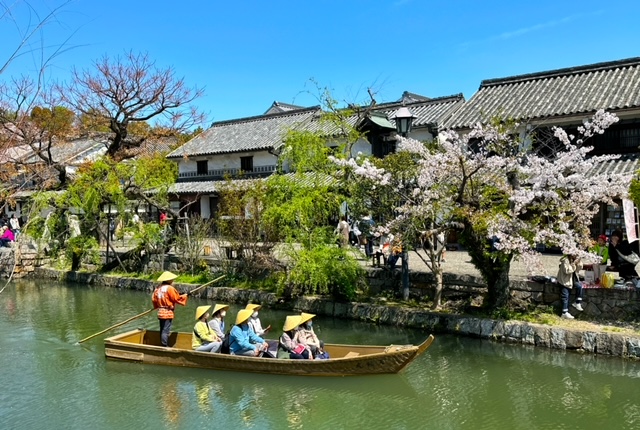
A short shift saw us in Kurashiki which at its heart has preserved some of the old canal district, reworking it as a tourist centre with traditional houses, museums, teahouses and restaurants, art galleries and gardens. It works, even if the straw hatted tourists being boated up the canal look a bit kitsch. The area emerged as a commercial and production centre during the later nineteenth century Meiji modernisation process, when the West was seen as an exemplar. So successful factory owners did things like buy Monet, Manet, Matisse and the like which are still to be seen there.

Food, of course, is a mania in Japan, Tokyo being the city with the most Michelin-starred restaurants anywhere in the world. So it wasn’t really a surprise when we found an outstanding pizza place two hundred metres from our hotel the night we arrived in Kurashiki looking for an easy meal. The owner had spent a lot of time training in Italy so the product was perfect, better than anything we find back home. Red and white checked tablecloths and Peroni completed the sensation.

And a couple of hundred meters along from there, we later discovered a really good okonomiyaki place where the owner also made exquisite wooden puzzles in his spare time, including elaborate ones of sumo wrestlers.

After all that, Kobe under reconstruction was confronting but some of the shrines and their gardens provided an escape, while the extensive shopping arcades yielded all sorts of quirky enterprises. There is something left of the old and famous foreign legation centres but much of it is total tourist, like the house that now commemorates Sherlock Holmes.

Joining Odyssey in Kobe was like returning home. Having travelled on the ship before we knew many of the crew already, and some guests as it turned out. We left port and headed northeast, the first few stops again highlighting just how different Japan’s regions can be. Places like Sendai, Hakodate and Kushiro in many ways demonstrate the challenges the country now faces: a slowing productivity rate, an ageing population and declining birthrate with all those conditions contributing to a growing social services call on the national budget which has many analysts concerned.

So it is wonderful to see local and skilled traditional crafts still surviving, along with the markets and community centres that have driven those communities over centuries. A local train trip to Matsushima from Sendai allowed a visit to the main shrine there, well over a thousand years old and a peaceful reminder that Asia generally and Japan particularly have cultural depth and complexity sometimes overlooked.

After Japan, though, came the hallmark of repositioning voyages, a string of six days at sea riding the Kushiro Current on which, my great friend and colleague Commodore Rupert Wallace reminded us, Spain’s Manila galleons also sailed across to Acapulco four hundred years ago. The modern world, then, stills works on the foundations of earlier ones despite technological improvement.

During those six days, weather and seas alike remained remarkably benign while growing steadily colder. That meant packed days of activity for guests including a range of Conversations, trivia contests, bridge lessons, craft and art, future travel planning, entertainment and, of course, food. And through those days there is also the opportunity to meet an even wider range of people aboard and, as always on Seabourn, there is a fascinating array of those drawn from the USA, Australia, Canada, the UK, several from different Asian locations, New Zealand, Europe – and one originally from Barbados with whom the chat was immediately about cricket.

The first stop after those six days was Dutch Harbour in the Aleutian Island chain with its striking mix of Russian, Indigenous and American traits. Russia and the USA are geographically close up there so the area bears the marks of conflicts past. These days Dutch Harbour is best known as the winter home of the crab fishing fleet made famous by long running reality television show, Deadliest Catch. Remarkably, the small place wears the show lightly – we had to ask to make a trip detour to the harbour moorings where the boats normally tie up as they bring in their (hopefully) million dollars plus catches following all sorts of adventures at sea during winter. This time, Northwestern was there, the only vessel to feature in all twenty or so seasons of the show, and captained principally by Sig Hansen.

As the excellent Museum of the Aleutians records, Dutch Harbour is very much a product of its past, and has a curious link to Australia. During Captain Cook’s 1778 third Pacific voyage his artist, John Webber, sketched a “Woman on Unalaska” whose personality attracted the interlopers. Over the years that sketch turned up in Sydney where it stayed until 2001 when bought by the Museum of the Aleutians. Fittingly, its subject now looks out at us from a wall no more than ten miles from where she was drawn originally.

As we left Dutch Harbour we had, for a while, an additional guest, a Bald Eagle who settled in briefly while we all marvelled at the sheer numbers of sea otters, and the the pod of whales searching for food near the shore.

At Kodiak, the next stop, one great attraction was Big Ray’s Outfitters complete with a massive taxidermied grizzly bear and a full range of weapons alongside the clothes. One assistant was an instant guide to Alaska’s focus on hunting, shooting and fishing even if conservation is now prominent. Recently relocated from Montana, he was ticking off some bucket list hunting items. For many guests, the other big attraction was a trip to Walmart!

A run further up to Homer revealed a marvellous bookshop run by a woman who had spent considerable time in New Zealand; a magnificent Burmese Mountain dog; a legal cannabis outlet (for observation only), and a set of wonderful people. And Time Bandit of Deadliest Catch was in port so the focus of much attention.

Then came the magnificence of Glacier Bay on a clear day, followed by Sitka and its long running raptor rescue centre which houses and retrains some magnificent birds. As elsewhere in the Aleutians and Alaska, there is also a reminder of just how close Russia is and how long standing the connection has been. The Matyroshka dolls are everywhere.

Next, a voyage highlight. Odyssey became the first cruise ship ever to stop in at the communities of Klawock and Craig on Prince of Wales Island where the whole community, largely of First Nations origin, turned out in support. They have run a campaign in recent years and constructed a deep water dock to attract the ships, calculating that controlled visits will yield local benefit. They had excellent crafts on display along a huge amount of goodwill. The communities rely mainly on logging and fishing, so a tourism strand is considered a good addition.

The Seabourn guests loved it, mainly because of the people they met, as did we. Lawrence, for example, is a former mayor who visited Australia and New Zealand, including Fremantle, while serving in the US Navy, and now makes a living from his jewellery inspired by First nations traditions. One of the bus drivers served in the marines, and numbers of other people had returned to the community after being “away,” some for several years.

For many guests, the fish chowder served up at the tribal community centre was the best food they had anywhere off the ship.

Then came a complete switch, one with a complex hook.

Ketchikan, the next stop, was a total contrast. We arrived there along with two other large cruise ships so that a vast number of passengers hit town early in the season. That will be the norm for the next few months, the town openly a tourist destination. Back in Craig, one crafts store owner suggested we visit just one specific Ketchikan outlet, the only independent one left – and it was excellent, with a resident First Nations artifact painter.

The one remaining fur shop and its high prices were reminders of the trapping trade that spurred the growth of the town and other northern Canadian ones like it in the first place. For the most part, though, the big stores sold much the same thing and at similar prices so that, to quote a once famous Australian sports commentator, it was a bit deja vu all over again. For anyone in search of a king crab meal, $US90 and upwards seemed to be the norm.

Somewhere between the extremes of Ketchikan and Craig, of course, lies the balance point for the growth of tourism – rather like our current hometown of Fremantle’s challenge in balancing the influx of food and alcohol outlets against organic community development.

Elsewhere in the world, places like Venice, Amsterdam and Barcelona have decided they are now past that point and need to rebalance, sometimes to the chagrin of visitors like those to Venice now to paying a daily fee. Ketchikan shows no signs of any such levy, and Craig has invested heavily to get people there. And in its present state, it is well worth visiting. But what will it look like a few years on?

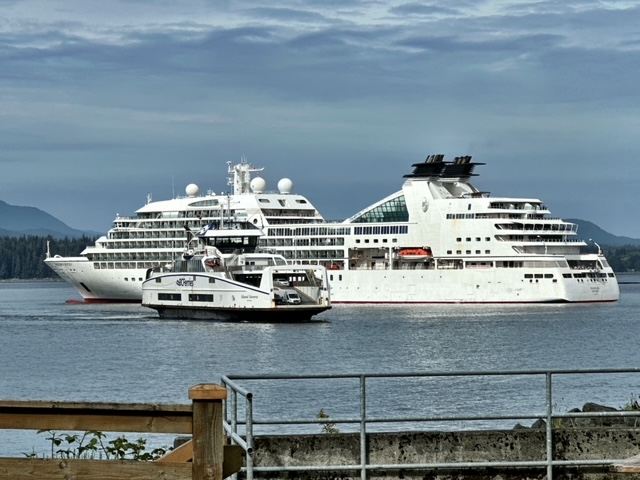
From Ketchikan we cruised down the British Columbia coast, on watch for whales and other wildlife before a stop at Nanaimo and the sail into Vancouver. Later that evening, having dinner with friends near the University of British Columbia, we watched Odyssey cruise back out and, at that point, we thought it the likely last time we saw her as a Seabourn ship – come September and after the Alaska run season, she will sail back to Japan and become part of the Mitsui empire under a deal done last year.

 For the next several days we were on Vancouver Island, one of our favourite places, looking for wildlife and taking in the splendid landscapes. Our last stop was Alert Bay on Cormorant Island, a short ferry trip from Port McNeil. It is a largely First Nations settlement and the U’Mista Cultural Centre there is an outstanding museum that records the tough history of European settlement and dispossession, the industrial schools that separated kids from their families, and the hard battle for indigenous recognition and restitution.

Alert Bay is quirky, but replete with eagles, sea otters and Orca, a wonderful retreat. On the morning we left to begin the long trek home, a lot of Zodiacs were zipping up and back along the water, full of suited up passengers. One of our hosts suggested there might be a cruise ship at anchor. We packed up and headed the car for the ferry to discover that she was  right, there was a cruise ship in the Bay – Seabourn Odyssey.

So at the very end of our extensive travels we sailed past “ODY” aboard the car ferry, all set for very different destinations.

Banda Neira, the Former Centre of the World

Approaching Banda Island on Seabourn Sojourn at sunrise was a surreal moment.

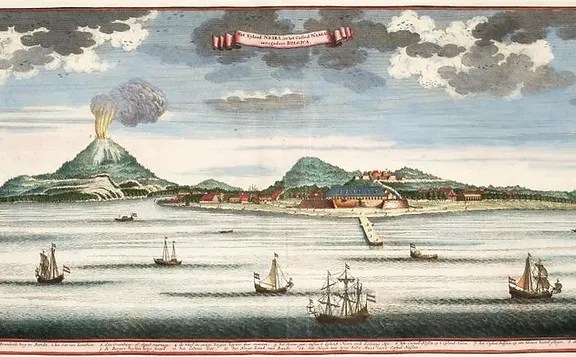
In an earlier Conversation with ship’s guests I had shown the image of a print view of the island produced around the turn of the seventeenth century, eighty or ninety years after the Dutch East India Company imposed a bloody rule over the population.

Now, as we approached from the same aspect of that print, the sun rose reflecting the still-active volcano and the tiny but similarly still-active port that four hundred years ago was effectively at the centre of world trade and wealth.

The northeast flight distance from Perth to Banda is about 3,300 kilometres, roughly the same as to Sydney so underlining Western Australia’s strategic proximity to Asia, especially its so-called “Southeast” region (remembering that descriptions like “Far East” and “West Indies” were applied from and in the interests of metropolitan Europe and the United Kingdom). Interestingly, Banda is also 2,500 kilometres from the Indonesian capital of Jakarta, further reminder of how big and culturally diverse is our northern near neighbour.

But while Western Australians are more familiar with the 2,500 kilometre flight from Perth to Bali, long an important cultural centre, Banda is now almost totally unknown to the rest of the world bar avid divers and snorkellers.

Yet while Ferdinand Magellan was not aboard the only surviving ship of his around the world expedition arriving back in Spain in 1522, having died in a battle near Manila in the Philippines, it’s cargo paid for the entire venture several times over, igniting European interest in that cargo’s source point.

That was tiny Banda and nearby islands known collectively as the Malakus or Moluccas, then the world’s only source of nutmeg and mace, the must-have spices in Europe along with cloves from the same region.

For the rest of the sixteenth century Spain, Portugal, the Dutch and the British jostled for control of the trade and the Moluccas, the Dutch butchering their way to superiority with the Banda Massacre in 1621. Because the smuggling of nutmeg plants and secret trading of the spice by local people threatened the Dutch East India Company’s monopoly, local commander and fonder of Batavia/Jakarta, Jan Pieterszoon Coen effectively ordered that the local population be wiped out. Of 15,000 people, just 1,000 escaped this onslaught that was spearheaded by Japanese mercenaries hired by agreement with the Tokugawa Shogun and recruited mainly from Hirado where the Dutch East India Company had a prime base.

With contemporary revisioning of colonial pasts, a statue erected to Coen’s memory in his Dutch hometown of Hoorn has been toppled at least once.

In a sadly ironic twist, Western Australians remember nearby Ambon more than Banda because of the summary execution there of more than three hundred Dutch and Australian Gull Force troops by Japanese troops in 1942, and the subsequent death marches endured by the remaining prisoners of war.

Today, remnants of that long Dutch presence that lasted until 1949 are strewn across Banda. In one of the village’s main streets, a couple of old Dutch cannon barrels lie forgotten in grass by a fence. A couple of hundred metres away an intact small cannon guards a fork in the road. Throughout the town, civic building and houses alike share the Dutch architectural heritage.

Views down alleyways and passages yield glimpses of more architectural gems with long histories.

The Cilu Bintang Estate hotel occupies a wonderfully renovated Dutch East Indian Company and is run by a couple with long lineage through generations of traders and merchants. The building is complete with Dutch East India Company (VOC) crests and stands opposite a seventeenth century and restored well that commemorates the 1621 massacre.

That hotel stands behind one and below the other of the two Dutch forts that signify both the longstanding nature of the Dutch presence and the trading seriousness of that presence that, nevertheless, declined from the early eighteenth century as transplanted nutmeg flourished elsewhere in the world, notably Grenada in the Caribbean, and as passion for the spice declined.

Now the island is left with fishing, petty trading, some subsistence farming and the increasing presence of cruise ships. Sojourn’s arrival was big news in Banda and Ambon with civic receptions featuring music and dance recitals and full civic receptions. In the middle of Ambon city, some distance away from the dock, a large banner welcoming the ship and its personnel dominated a major intersection.

Ambon, incidentally, has declared itself a “City of Music,” and that is celebrated in a series of statues around a major park that capture musical heritage of all types.

Many smaller cruise ships are now visiting more of these out of the way places, allowing guests to see some more “authentic” life and customs, and on this trip that was highlighted perhaps in Kupang on West Timor as well as in Dili in Timor Leste. For many first timers to this part of the world it was simultaneously enriching and confronting, but the warmth of local people confirms that not all the world is the sad place that global politics currently reflect.

Sailing back

Again, a lag between blog posts brought on by writing distractions, life, and lecturing opportunities with Seabourn.

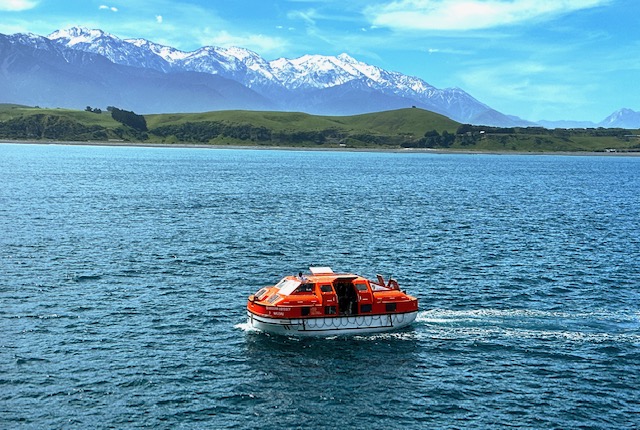
Right now we are completing a fifteen day voyage on Odyssey from Auckland, New Zealand via Waitangi (where Māori and Europeans signed the Treaty that now governs New Zealand politics), Wellington, Kaikoura (recovering from a severe earthquake), Timaru (from where we went to my hometown of Ashburton for lunch with my brother), Port Chalmers and Dunedin, then the marvellous Stewart Island and its many walking tracks.

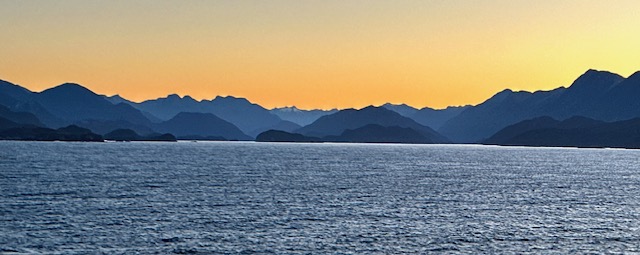
It has all been enjoyable, but the bonus was a jackpot day of fiord cruising through Dusky, Doubtful and Milford Sounds at the southern end of New Zealand.  To see all three on the same fine day is a rarity, so all of us aboard were thrilled.

Many of Odyssey’s guests began their journey in Los Angeles a few weeks ago, and have enjoyed an excellent itinerary that took them to Hawaii, French Polynesia, the Cook Islands and several others. But one of the differences for them in these southern waters is that sailing conditions are often stronger –  the rough trip from Waitangi to Wellington was the hardest of the trip according to most, and for some the hardest ever. Even some of the crew thought it unusually challenging.

Those crew are marvellous. The galley gang serve up a constant stream of amazing food, while the deck officer crew make everything look easy, most notably yesterday’s exacting navigation into some tricky waters to provide some of the world’s most scenic views. Unobtrusive cabin staff keep up room standards constantly. And a string of daily stops means preparing for docking, setting up, getting excursion parties away on time, taking care of individual guest needs and wrangling the inevitable issues. Then at the end of the port day it is all done in reverse to get the ship away on time, and that also requires coordination with port and pilot crew.

The entertainment team deliver shows, competitions and social events that make most guests’ days exhausting. One highlight is the presence of the great songwriter, Jimmy Webb (Wichita Lineman, Up Up and Away, By the Time I Get to Phoenix etc) who is doing performances and Q&A sessions en route to Melbourne and Sydney concerts. Another was the amazing live sand art creations provided by Māori artist Marcus Winter.

On this trip I have canvassed topics common to Australia and New Zealand (their respective roles in the Pacific, the making and nature of both countries, the origin and state of indigenous affairs, the rivalry between the two countries). The other speaker is an expert on Captain Cook and the early explorers, so audiences have had a wide range of inputs to consider and, as usual, also made great contributions to the discussions.

And the usual bonus of all this? Meeting an extraordinary array of people from different cultures and backgrounds with a common set of concerns for what is happening in their home countries and the world, and the consequences of all that for the future. We might be all at sea, but we’re trying to work it out.

Meanwhile, I have been writing a few things but mainly preparing to rerelease the Le Fanu crime novel series so have been working with my wonderful New Zealand editor, Adrienne Charlton, to get everything in order. And some readers here might be interested to learn that all this has raised the possibility of  Le Fanu 5 appearing in due course. Stay tuned.

I have also been finalising a couple of other publishing ventures that I hope to bring news of a bit later on. As usual, they will be on vastly different subjects!

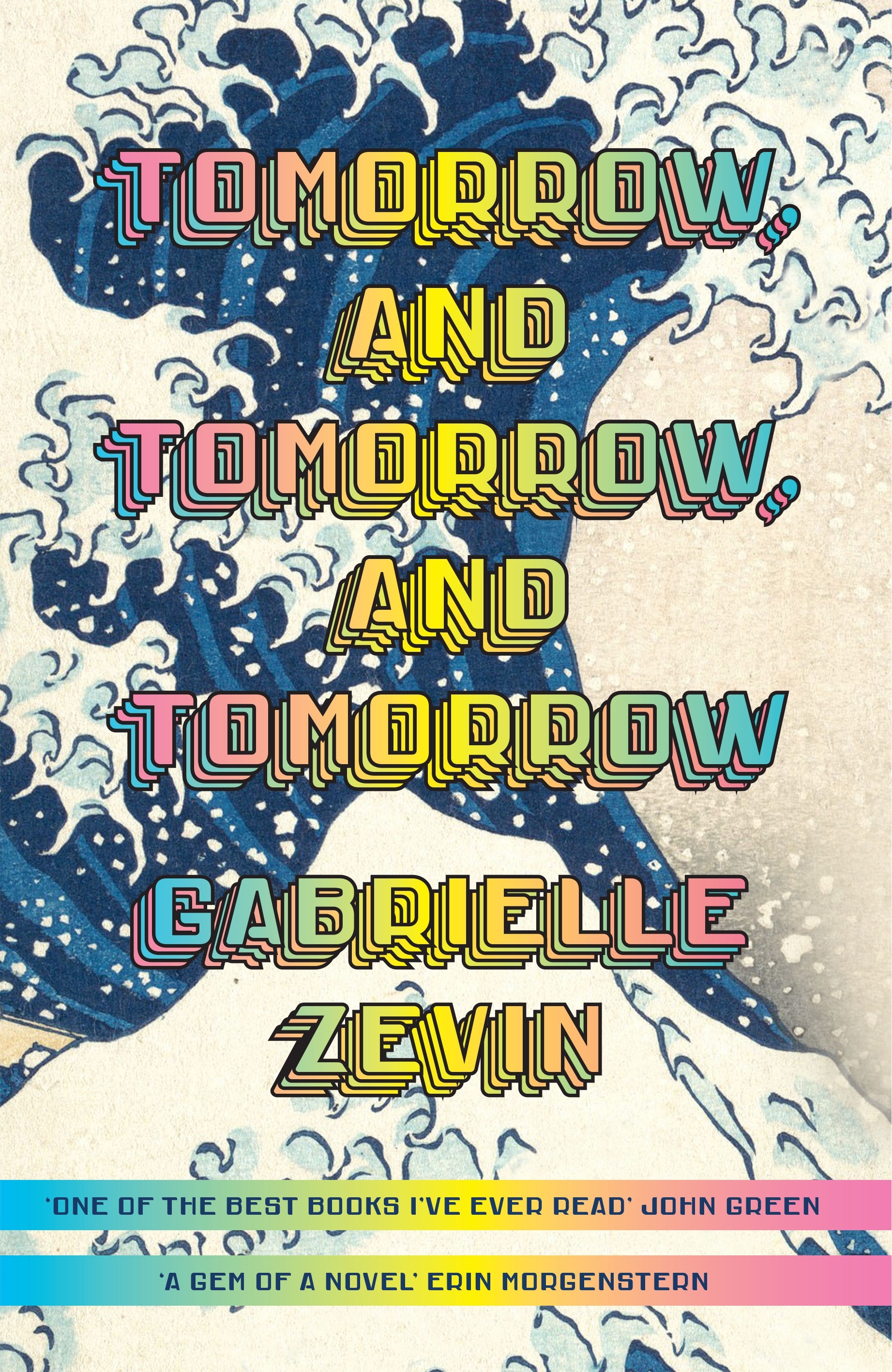
The best thing I have read for a while is Gabrielle Zevin’s novel Tomorrow and Tomorrow and Tomorrow, a wonderfully written story about the relationships between three game designers who strike it big but encounter major social challenges along the way. It is a great entrée to a generation and a subculture that also raises thoughts about personal development and change, success and satisfaction, and about the life arcs that suddenly change direction.

And by far the best non-fiction work I have read in a very long time was Binyavanga Wainaina’s How to Write About Africa, a book that took me way too long to encounter by a Kenyan who sadly is no longer with us. He spent a lot of time in South Africa, effectively as an illegal, wrote about several African states, won a writing competition and as a result mixed in strong circles in America and Europe. These essays are all great but start with the signature one of the title, then read the opening stories on aid and development, then read the rest. He has a hilarious but devastating way of upending all outside views on “Africa”, and is essentially a pioneering decoloniser.

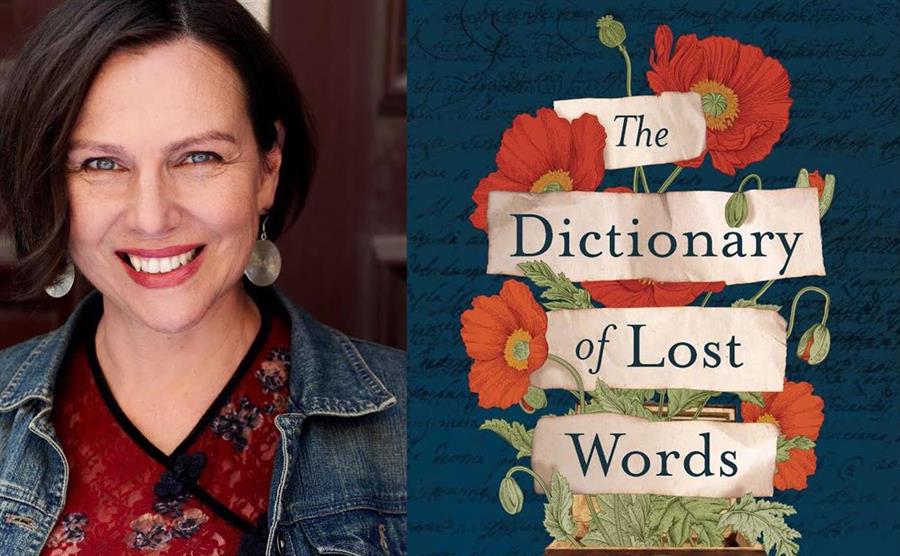
Pip Williams’s The Bookbinder of Jericho is her follow up to the wonderful Dictionary of Lost Words. It is again wonderfully written and very good on the details of the bookbinding process leading up to and following World War One. But, for me, as a story there is a sameness to both books which reduced some of the thrill.

Some life stories are among other things I have read.  Sam Neill’s Did I Ever Tell You This? A Memoir is as charming as you might expect, and especially so in that he revealed here his encounter with cancer. It is wry and insightful, and way less gossipy than a lot of people might desire. In that sense it is a very real New Zealand recollection, understated and self-effacing. But it is a delightful read.

Country music star Lucinda Williams’s Don’t Tell Anybody the Secrets I Told You is very different, a searingly frank account of a tough upbringing, a hard road in the music industry and the relatedly complicated personal relationships that eventuated. The book, therefore, adds a dimension to her wonderful music.

Sam Shepard was one of the genuine articles in American theatre and film as both writer and actor, so I anticipated more from Robert Greenfield’s True West: Sam Shepard’s Life, Work and Times than I think has been delivered. It is difficult to explain because all the elements are here about what Shepard wrote and how he became an actor and how he was a fierce individualist and anti-corporate figure. Yet for all that, the real sense of the man is somehow missing. As in all such things, it may just be me – and the book does provide a full sweep of a genuinely creative life.

After a break I have crept back to reading some crime fiction and, inevitably, some familiar names appear. Dennis Lehane’s Small Mercies is a masterclass in the genre, say no more. Read it. Michael Connelly, too, continues to turn out lovely works and I am filling in gaps in the Lincoln Lawyer series.

S A Cosby has become a star in the field and his debut book, Blacktop Wasteland was impressive. His follow ups have done well and won a lot of awards, but for me the recent All The Sinners Bleed was a touch too formulaic and a bit unsurprising: the first black sheriff in a southern US town runs into racism and coverups that put pressure on a personality shaped by family conflict and expectations. Cosby can really write, make no mistake, but this lacks the spark of the earlier books.

David McClosky’s Damascus Station is a thriller set in contemporary Syria where American intelligence agents become caught up in an operation to rescue an asset now at risk. It all goes wrong and understanding needs to be reached. It is strong on tradecraft if a bit short on place, there is not much of the Damascus I knew even if the protagonists perambulate around the city a lot. And the tone is predicably pro-American. But it is a reminder that this conflict has now gone so long it is producing novels.

Karin Pinchin’s Kings Of Their Own Ocean is a marvellous book about the trajectory of the American tuna industry and the future of oceans that are under environmental threat. The story is told through some memorable figures in the American industry and by way of a series of bureaucratic decisions that regulate tuna fishing. It is a monument to the power of research and commitment to a project.

My reading in that area has been sharpened, of course, by the opportunities offered by Seabourn. Earlier this year we travelled from Fremantle to Zanzibar via Indonesia and the Seychelles, crossing the Indian Ocean where commercial fishing has for a long while been controversial. It was also a reminder of change in the geopolitical world with the rise of the “new” Indo-Pacific brought on by the perception that China is trying to take over the world.

The start of the cruise was unusual in that a storm out of Broome saw a semi-domesticated hawk swept onto ship where it stayed until we reached Bali. There was much speculation about its fate, and in the end Australian authorities refused to have it back so it now is reportedly fine at a new home in a Bali bird park.

A series of sea days reminded us how vast that ocean is and we sailed to the north of Diego Garcia, the American base “gifted” by the British government that recently lost the latest round in an on-going court case brought by the original inhabitants who were displaced.

In the Seychelles, the highlight was seeing the long-lived and ubiquitous tortoises that are a reminder of how nature has worked and continues to work.

But the star for me was Stone Town in Zanzibar, once at the epicentre of the Arab slave trade and still the authentic cross-cultural centre from where the dhows still set out to travel up the East African coast, through to the Gulf and even across to India. The memorial to all those slaves is one of the simplest but perhaps the most moving anywhere.

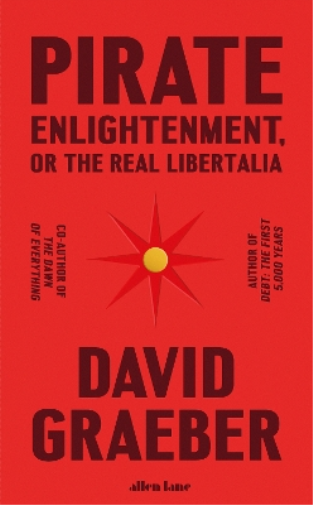
Because of that I read David Graeber’s final book, Pirate Enlightenment, or The Real Libertalia, a fascinating tale of how Madagascar became home to a bunch of pirates fled from the Caribbean, one of whom raided a fabulously wealthy ship owned by Indian princes. Graeber was a renegade academic with an eye for great stories, and although the evidence here is stretched to the limit his imagination was remarkable.

Next year sees more lecture cruises so I am doing more background reading on subjects as far flung as sumo wrestling, present day China, the King and I, and the Pacific fish trade.

I will report back.

Stay tuned, I will try to report back.

What Comes Next?

For all those who breathed a sigh of relief at the end of 2020, the first quarter of 2021 will have been yet another shock.

Here in Australia the political scene nationally and at state levels alike has gone from worse to abysmal – politicians never rated highly on the popularity index but right now they might not even be on that index.

A series of dreadful misconduct revelations have seen women vote with their feet to express outrage over sexual and domestic violence. The establishment’s response has scarcely registered a tick. In fact, every response seems to guarantee yet another outrage spike that is having a serious impact on Scott Morrison’s government polling.

Morrison himself has floundered, at best, with all this and cannot find a way to assure women in particular and the population at large that he has a clue about what to do. For example, his comment that wife Jenny alerted him to the seriousness of sexual violence drew widespread incredulity.

His major cabinet reshuffle was a case in point. A kneejerk response that elevated several women into new and important positions misfired somewhat, not least because one of those anointed is on record as having said derogatory things about transgender people.

While all that has occurred, an astonishingly chauvinistic to the point of being racist attack on China has escalated to alarming proportions. Ill-informed commentators like former politician Bronwyn Bishop would have us prepare for conflict.

Meanwhile, the COVID vaccines rollout continues at snail’s pace alongside periodic virus flare-ups that lead to instantaneous border closures that in turn infuriate the public, prompt yet more questionable public purse bailouts of companies like QANTAS, and generally aggravate the public.

Australia’s universities lurch inexorably towards more impecunious conditions, trying to maintain the fiction that COVID smashed the international student market, the government did not help, and that more funds are needed. More and more cuts are appearing, student unrest is growing, and most of the media continue to get it wrong.

And the media is in the middle of all this. Right wing commentators like Gerard Henderson blame the “leftist” ABC and its university allies for everything that is wrong. Papers like The Australian have tapped an unending supply of commentators somewhere near the Genghis Khan end of the political spectrum.

And at this point – for reasons that will become clear a little later – I stress that I have worked in Mongolia and really like the country and its people.

Hint – here is a link to one of the funniest things available on the Web at present.

All of this points towards two looming and intersecting disruptions – a rapidly developing upheaval in the workplace, and accumulating generational shift labelled as “woke” behaviour but probably more than that.

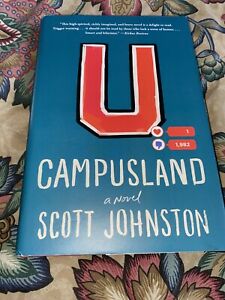
Much of this is already reflected in popular culture. Scott Johnston’s Campusland, for example, is a picaresque novel that captures the “woke” elements of the modern American top end liberal arts college. It is set in New England, the heartland for such institutions though it is doubtful any of the “top ten” would want to claim a credit here.

An “outsider” English literature professor is accused, first, of being anti-African American, then later of sexually harassing an “It Girl” Snapchat devotee and would-be “influencer” student. The story is traced through the campus radicals (led by a socialist with a trust fund), the well-heeled benefactors, male-dominated sororities and a range of hapless, self-interested, ideologically-driven or generationally-stranded staff members and administrators.

Campusland is nowhere near the heights of Jane Smiley’s Moo or Richard Russo’s The Straight Man, but is a good guide to the emerging trends now stalking universities in the West generally. Put broadly, the traditional “freedom of speech” on campus issue now has to be balanced against the strength of sensitivities on particular issues.

That workplace change is broadening and deepening in the wake of the pandemic. Part of it is in line with the Industry 4.0 trend, but much of it is more specific.

Take the rise of WFH (Working From Home) as a case in point. What is happening now would have been unimaginable in scale even two years ago. Here in Fremantle, for example, a couple work full time into a major international organisation based in Washington DC. Several other international executives are doing the same. Aid and development work has become increasingly home -based, making the tasks even more complicated than normal.

Major organisations like McKinsey are already well advanced on rethinking “the office” in a post-COVID world, much of it revolving around an increasingly mobile workforce. Individual work skill sets are changing. Just think how the word “Zoom” has become a workplace verb as in “to have a meeting”, only with all participants dispersed.

Many workers have discovered that they like working from home, in full or in part.  That was relatively easy for organisations to suppress before COVID, but way less so now. In major cities, especially those hard hit by the virus, the desire to avoid public transport, for one, far outweighs any desire to meet around the mythical water cooler for social and professional interaction that was apparently so important.

The speed of the change is important. Take Press, a 2018 British television series written by Mike Bartlett (who also wrote Dr Foster) and starring Charlotte Riley, Priyanga Burford and Ben Chaplin. While mostly testing press ethics (or absence thereof), it is now most interesting because of the way in which it displays workspaces crammed with people. Writing that show now would require a very different approach.

Because COVID has had a major impact on screenwriting as well as on the wider film and television industry. That is both in respect of “how things are done” and “how things are portrayed”. And most if not all industries face that. University learning and teaching will likely never go back to its pre-COVID form because the online delivery mode is the genie well and truly out of the bottle.

So the workplace is changing, and that is helping sharpen the generational changes currently known as “woke”. In reality, we are discussing the nature of and discourse about social and capital advantage and disadvantage. Scott Johnston’s novel revolves around colour, gender, social status and wealth. All four lie at the heart of almost every “woke” analysis.

Right wing outlets like The Spectator see the rise of this outlook as giving the world over to communism. For its proponents, though, it is an essential guide to making a better world.

In many ways this is just the latest iteration of the ongoing changes in generational view. For the boomer generation “the” year was 1968 and all that went with it. For the Woke generation the year might very well be 2020, because the pandemic was in many ways shaped by the very causes in focus: poor and disadvantaged communities (e.g. the African-American community in the USA as well as the Latino one) suffered worst as did the financially disadvantaged. That pattern repeated in places like Italy, Brazil and South Africa.

But has it not been thus forever? The Mauritanian, for example, starring Tahara Rahim, Jodie Foster and Benedict Cumberbatch is a film version of Mohamed Ould Salahi’s fourteen year detention without charge in Guantanamo Bay story. His treatment there was appalling, and well worthy of protest. The film depicts brilliantly the struggle between the need for revenge following 9/11 and the right to fair and due process.

Tim Murphy’s novel, Correspondents, traverses similar material. The daughter of a Lebanese/Irish New England family becomes a high flying journalist in Baghdad during the Paul Bremer administration days but effectively burns out, makes a major professional mistake and goes home. She also forgets about her gay Iraqi journalist friend who somehow gets to the USA. The resolution of all this involves a tragic intersection with the anti-woke right.

The point here is that, essentially, woke is the continuation of concerns for others that have marked earlier generations, but possibly with greater stakes and spread in what is now a more and an increasingly globalised world challenged further by the pandemic-wrought changes.

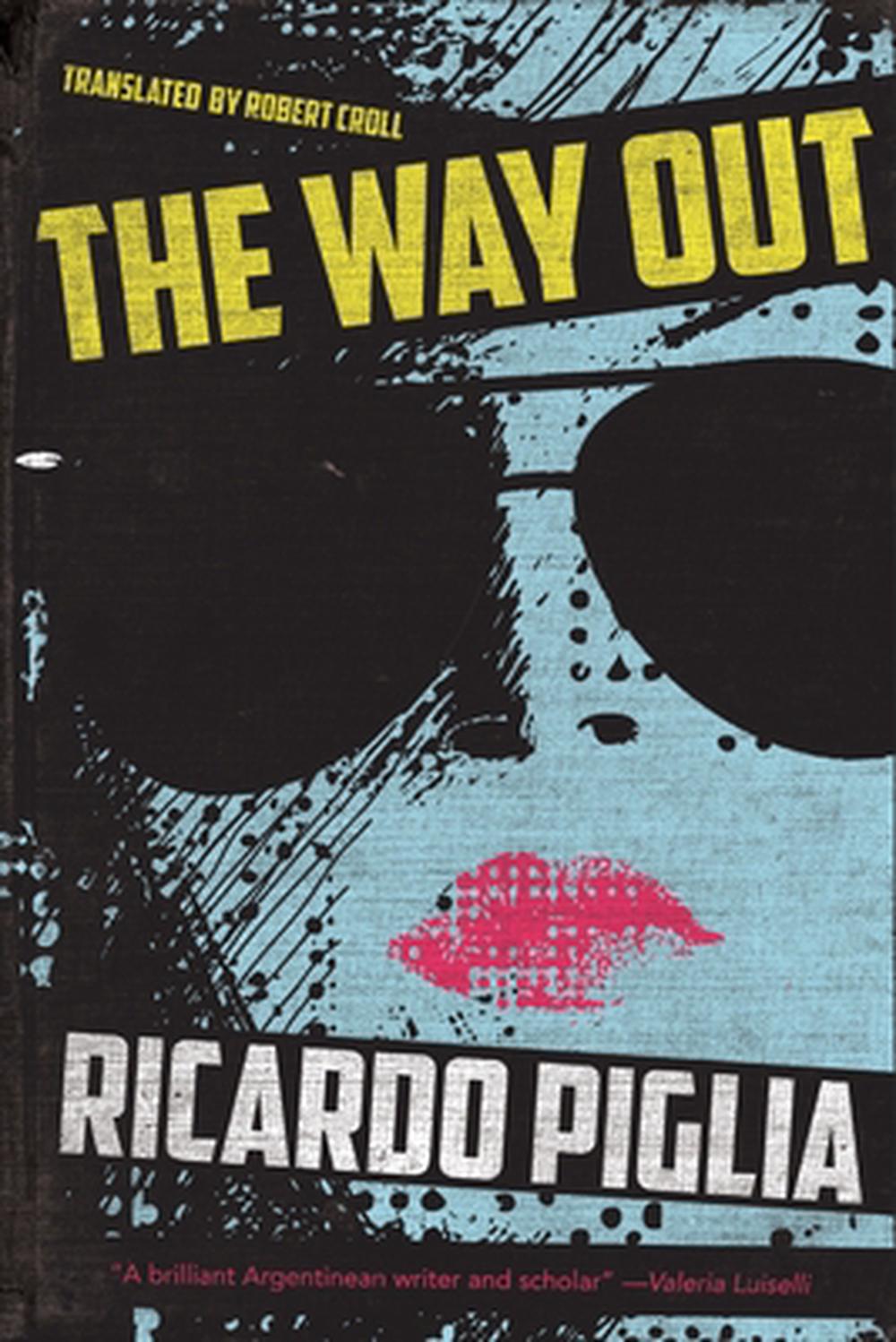
Ricardo Piglia was an Argentinian novelist and Princeton professor. In The Way Out his protagonist (some suggest alter ego) Emilio Renzi joins a small college in New Jersey to teach and complete his latest academic book. But he becomes involved with a colleague (an expert on Conrad) who dies when someone sends her a letter bomb. There is a lot of in-the-know literary and intellectual allusion, and for some readers the book may well typify the self-possession that is a target for the woke.

If that was so, then Jacob Ross’s Black Rain Falling becomes an antidote. Ross hails from Granada (the site for the 1983 American invasion that saw revolutionary leader Maurice Bishop executed) but has long been resident in Britain.

Note – in some woke circles “where are you from” should never be the first question. That is a very fair point – but as an historian (and crime writer/screenwriter) “where, what, why and how” are stock in trade. The need for balance is obvious.

In the novel, “Digger” Digson is a dogged lowly but honest cop on a Caribbean island, surrounded by corruption and a couple of untimely deaths that link to a Caribbean drug operation. His girlfriend is a posh family daughter, his assistant a really sharp but troubled woman who was done wrong in her earlier years. Here it is: class, status, colour and wealth.

The bonus is that Jacob Ross is a seriously great writer who catches the Caribbean lilt and patois in a way that few can match. In a world that continues to change at pace, we need writers like Ross to capture and convey it all to us.

Wordpower

It seems appropriate to begin the 2021 blogs on 26 January, Australia Day and also India Republic Day. That is because those two milestones are linked: Australia is desperately seeking a stronger relationship with India to offset an awful and deteriorating one with China; and more broadly, both are in many ways dealing with post-colonial consequences.

Which, in a strange way, is where Leicester University enters the story. It was announced recently that, as part of a significant set of academic staff reductions, a swathe of English literature courses there would be jettisoned so that, for example, Chaucer and other early moderns would no longer be taught. All those “traditional” courses would be replaced by ones focused on more “relevant” issues like diversity, sexuality, race and ethnicity in a move to “decolonise” the curriculum.

Needless to say, that has sparked controversy in that it raises a host of questions about the nature and purpose of learning (and teaching), the politicisation of education, the balance between student “demands” and educational principles, and all the rest. Australian readers will see an updated return to the struggles over “black armband” history as denounced by John Howard when he was prime minister, while others around the Western world will see various “culture wars” revisited.

One clear marker in all this, however, is confirmation of the power of language and the significance of words. In Australia this year, “Australia Day” as a celebration has been renamed by many as “Invasion Day”, signifying the idea that the 1788 arrival of the first settler ships with all their convicts began the history of subjugating indigenous peoples.

What seems to be missing here is the idea that any resistance might have occurred. I am currently reading Waves Across the South: a New History of Revolution and Empire by Sujit Sivasundaram, who argues that populations across the Indian Ocean and the Pacific were far more energised by and activist as a result of the idea of revolution during the eighteenth and nineteenth centuries than previously imagined. His compelling story is punctuated by many detailed stories about how individuals did that and how bureaucracies responded. It paints a wonderfully more nuanced condition than that of a binary “foundation celebration/genocide” one.

That simply goes to show that history, including literary history, really does still matter.

If you even think about doubting that, then you must read Pip Williams simply wonderful The Dictionary of Lost Words. Briefly, it traces the fictionalised life of the daughter of one of the lexicographers who created the Oxford English Dictionary. The kid grows up under the table in the dictionary project’s work room, and begins collecting word slips that fall on the floor. As she grows, that leads her to investigate all the important “women’s words” that the OED males deem unnecessary for inclusion. And that, of course, leads her to Mrs Pankhurst and the Suffragettes, and the idea that words are, indeed, hugely important in their use and abuse.

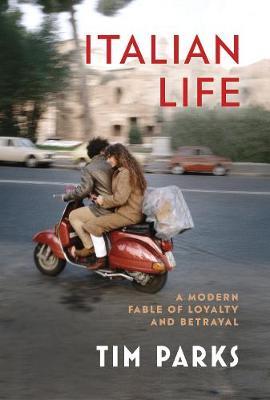
That theme is underlined tremendously in Tim Parks’ most recent book, Italian Life. Regulars here know that Parks is one of my favourite writers so when I suggest this is one of his very best it sets a very high bar indeed. He lays this out as an account of how an outsider may approach becoming an Italian, not just by being resident but by “thinking” as an Italian. His conclusion is that the latter stage is almost unattainable. The story unfolds on several layers, as always in his work, but essentially follows the story of how an Englishman tries over several years to construct a career in an Italian university. Along the way, Parks illuminates the challenges and obstacles by way of reference to characters and typologies of behaviour found in Italian literature ranging from fables through to the great crime novels of Leonardo Sciascia.

Again, the use of words and language is central to how superiors exert their wills and subordinates try to counter.

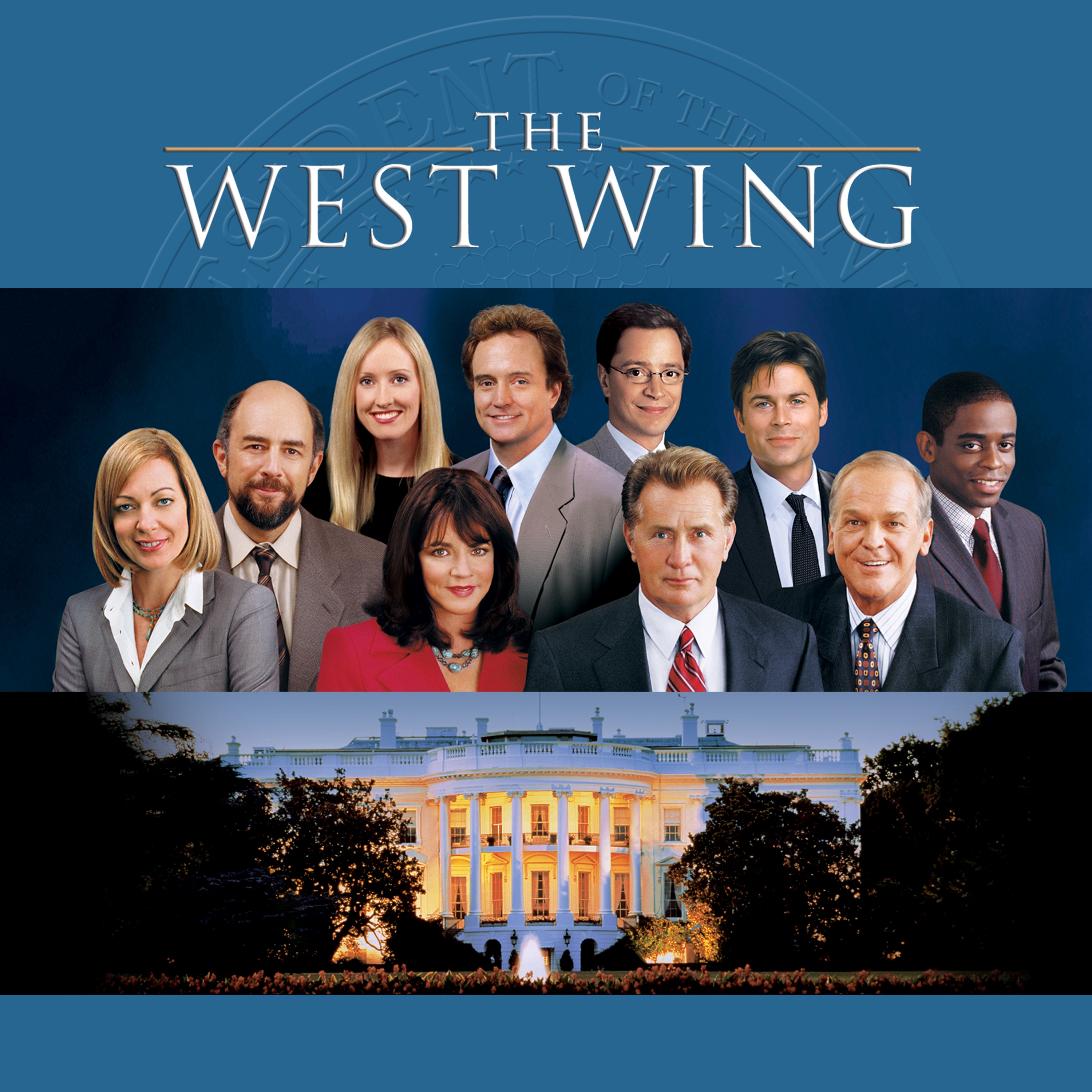
As well as being a great writer Sciascia was also an Italian leftist politician, and that reminds us of the power of language in directing national policies and agendas. Among other things, Sandi and I have been binge watching The West Wing. It is hard to imagine that it ran from 1999-2006 because, like Yes Minister, it retains a currency that is hard to imagine. The imaginary President Jed Bartlett is a polymath nerd economist who has won a Nobel Prize and berates his staff with a range of abstract knowledge. Contrast that with what America has just had for the past four years, and the difference is stark. That same contrast runs through the show: my favourite here would be press spokeswoman CJ Cregg (immortalised by Allison Janney) whose eloquence and smartness have been contrasted so spectacularly by people like Sean Spicer, Sarah Huckabee Sanders and, most recently Kayleigh McEnany. The number of times they all “misspoke” is legion, beginning with Spicer’s claim that Trump’s inauguration was the “biggest” ever – that set of a chain of “greatest ever” claims.

We also watched the much-vaunted David Hare-written Roadkill starring Hugh Laurie, but I have to say I found it way less impressive than Hare’s earlier Collateral starring Carey Mulligan. The story and dialogue (that is, the language) in the latter was infinitely more nuanced.

It is a penetrating insight into the obvious to say that the quality of the language helps determine the quality of a work, but it is a great reminder – in one West Wing episode communications maven Sam Seaborn (played by Rob Lowe) wants to recall an issued communique because he had not written it well enough. Oh, we all feel like that sometimes, as the show’s main writer Aaron Sorkin would know only too well.

But when we think about it more, language and words are the makers or breakers, which takes us back to the world of academia. An academic journal reviewer once reported that a submission of mine “read so well that I immediately became suspicious.” The piece never appeared so say no more. But I was reminded of that reading Anne Gerritsen’s The City of Blue and White: Chinese Porcelain and the Early Modern World which charts the rise and decline of the kiln city of Jingdezhen in Jianxi province. Her story is how its white then blue and white porcelain became central to global demand and so stimulated all sorts of trade and commerce patterns that put China on its modern path.

The story is a marvellous one in which I have a strong interest because of my addiction to the polychrome Peranakan porcelain (from the Straits Settlements of Penang, Malacca and Singapore) that was all made in and around Jingdezhen through the later nineteenth century. And in my cruise lectures (remember them?) I frequently talked about the Chinoiserie phases that swept the early modern world and why all that came about.

Anne Gerritsen starts and ends with a contemporary visit to the shard market in Jingdezhen to show why the subject is important, and that is what a novelist or a screenwriter might do. But in between she has to follow the “academic” language and custom that has restricted us all, to the detriment of the story. (Sujit Sivasundaram avoids a lot more of that, to his credit). So I began to imagine how a Pip Williams or a Tim Parks might have written that story of Chinese porcelain, and how much bigger the readership might have been.

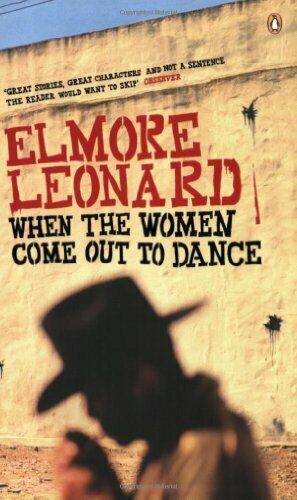
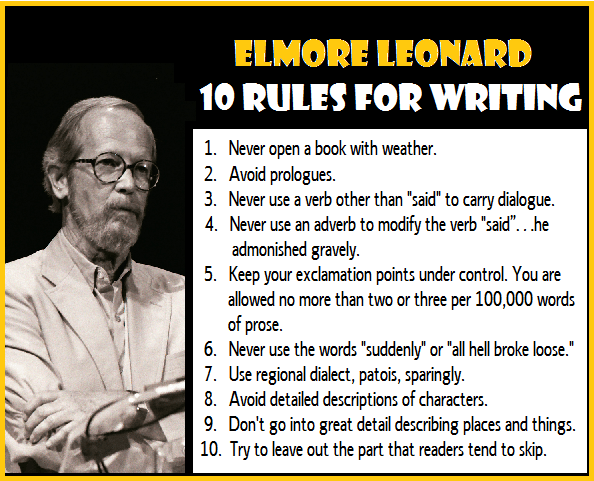
And I immediately thought of someone I have written about before in these blogs: Elmore Leonard, the absolute master. I put my sister-in-law onto Elmore recently and she promptly downloaded the whole collection, but also found me an early paper edition of the short story collection, When the Women Come Out to Dance. That collection includes “Fire in The Hole” that sparked the creation of one of the greatest television series ever, Justified.

The opening to that short story is simple, and magnificent:

                        They had dug coal together as young men and then lost touch

 over the years. Now it looked like they’d be

                        meeting again, this time as lawman and felon, Raylan

                        Givens and Boyd Crowder.

And the setup is equally neat:

                        The day the Marshals Service assigned Raylan to

                        a Special Operations Group and transferred him

                        from Florida to Harlan County, Kentucky, Boyd

                        Crowder was on his way to Cincinnati to blow

                        up the IRS office in the federal building.

Elmore Leonard’s rules for writing are, if anything, even better than those from Stephen King that are perhaps better known.

If only they could be circulated more widely among the university presses. It is tempting to think that if that happened, then in Australia government would understand the work of the universities way better and that would remove the current impasse as to the future of tertiary education.

So if Chaucer does have to go, replace him with Elmore Leonard, we will all benefit.

Past, Present, and Future

This COVID-19-induced lockdown has passed surprisingly quickly, days leaching each other away to the point where weekdays become like an endless string of Sundays. Once the restrictions set in, what had been a complicated timetable for the year instantly became a simple one that enabled a lot of writing punctuated by bike riding, series watching, and reading.

There has been considerable commentary about binge watching television series as a way to pass the time, and it has certainly been popular. On the back of that, Amazon shares hit a high of $2,283 which meant owner Jeff Bezos is now worth $US138 billion as the company earns about $11,000 per second. https://www.theguardian.com/technology/2020/apr/15/amazon-lockdown-bonanza-jeff-bezos-fortune-109bn-coronavirus Even in capitalist America that has become almost unseemly with Bezos cast as greedy. https://www.newsweek.com/new-jersey-congresswoman-calls-out-atrocious-greed-jeff-bezos-amazon-profits-during-coronavirus-1504073

For me, though, an interesting discovery has been the several series I started to watch but bailed out of because they were unconvincing. A cluster of reasons lie behind those exits. Sometimes the story line is unconvincing. Or the characters. Or the actions. Or a combination of all those.

I am not naming any because we all have different views and friends have liked the ones I have not, but a couple that I have liked set some parameters.

The_Capture_-_BBC_series

The Capture, written by Ben Chanan and mentioned here before, centres on the UK’s modern surveillance culture and the ways in which images may be distorted to serve different ends. A soldier cleared of war crimes is immediately charged with a sexual assault he did not commit, framed by the manipulation of surveillance tape. The fast-tracked woman detective pursuing him gradually works out what is happening, and realises that her own breakthrough case was set up in exactly the same way.

The storyline is compelling and close to believable, the characters convincing, the actions telling and the overall pace terrific.

For me, these are the keys to a successful show that is to be binge-watched. The “slow burn” genre might just be at a disadvantage in this present virus age.

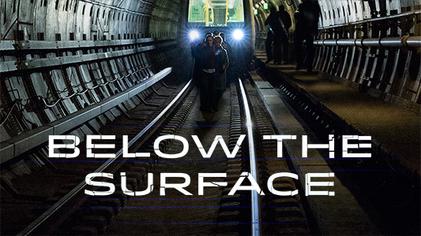
Right now I am watching Below The Surface, a Scandi Noir set in Copenhagen. A terrorist gang takes a group of metro passengers hostage. The anti-terrorist squad is headed by an intelligence officer suffering PTSD as result of himself having been a hostage. The story unfolds with his and the passengers’ lives conveyed in flashback.

BelowtheSurface

It is not perfect (flashback is really hard to do well) but it works, mainly because it brings out the human moments in stories about what are too often dismissed as “ordinary people”. In one episode, for example, a young woman hostage who flunked her paramedic course finds inner strength and saves the life of a fellow hostage injured during a shootout. This is what I look for in stories, visual or written.

Russo and Chances Are

Which brings me to Richard Russo, close to being my most favourite writer. Again thanks to the virus I have just finished his latest, Chances Are, one of the best things I have read in ages. Three mid-sixties male friends return to an island where over forty years earlier they shared a weekend with a female friend, with whom they were all in love, before they went their ways after college. At the end of the weekend the woman leaves without saying goodbye and walks out, apparently, on all their lives.

He unlayers all this through chapters written from the point of view for specific characters. He flashbacks to what happened to all of them as a way to explain both the past and what unfolds over this present weekend.

Russo grew up in America’s industrial rust belt, became an academic in literature, then a full time writer later on and won the Pulitzer Prize for Empire Falls, set in the industrial wasteland in which he grew up.

He also wrote Straight Man which remains among the absolute best campus novels, the standard comparison being with Kingsley Amis’s Lucky Jim. For me, the only comparables are Malcolm Bradbury’s The History Man, David Lodge’s Changing Places and Jane Smiley’s Moo. All are distinguished by genuine insight and observations on university life with all its small dramas. And they all write brilliantly.

Russo_straight_man

It all looks effortless with Russo. Words, ideas, impressions and understanding stream out so that pages race towards the end which arrives almost by surprise. He is a superb wordsmith. In his four novella work, The Whore’s Child, is a story called Joy Ride. A man recalls an epic road from Maine to the West with his mother when she seemingly left his father. It goes well until they reach Joplin, Missouri (and Russo invariably uses real places) where their car is vandalised, the mother loses it and confronts the manager:

My mother had been looking for somebody to blame, and now
she had her man. By the time she finished, she’d questioned his
intelligence, his management skill, even his parentage. She’d also
expressed her grave reservations about the Holiday Inn chain, the
city of Joplin and the rest of Missouri, which she’d never admired in
theory and liked still less in reality. Moreover, she doubted Mickey
Mantle had ever stepped foot inside the place.

The manager takes it all but the slur on Mickey Mantle, the famous baseball player, who he claimed regularly visited the place. But the manager also protests her criticism of the great state of Missouri, at which the woman takes off again.

What’s with this Missour-uh stuff? That’s an ‘i’ at the end of the word,
right? …How, she wanted to know, could the letter ‘i’ be reasonably
pronounced ‘uh’?

To read this is to be present at the discussion itself, the mark of a genuinely great writer.
Chances Are, though, is more than just the story because it is also a meditation on past, present, and future, wrapped up in the lives of its characters. It is about them but it is also about the times and places in which they live. There are several unflattering reflections on the present American Presidency.

That leads directly to some focused thinking about what is going on around us, another mark of a great writer.

As we emerge from the first stage of this pandemic – and that is most likely what it is, a first stage only – governments everywhere are grappling with reconstruction and that immediately reminds us of what happened after the American Civil War and World War Two when, effectively. “new” worlds had to be constructed.

The global economy and its individual components are wrecked, even if Jeff Bezos and a few others are rejoicing all the way to their private jets. So the essential question for many governments and organisations now is how to decide what to retrieve from the past and what of the future to steer towards.

The New Zealand government is among the first to produce a whole-of-budget package, essentially the first in its “wellbeing’ approach. https://www.newshub.co.nz/home/politics/2020/05/budget-2020-where-the-government-is-spending-big-to-rebuild-new-zealand-after-coronavirus.html

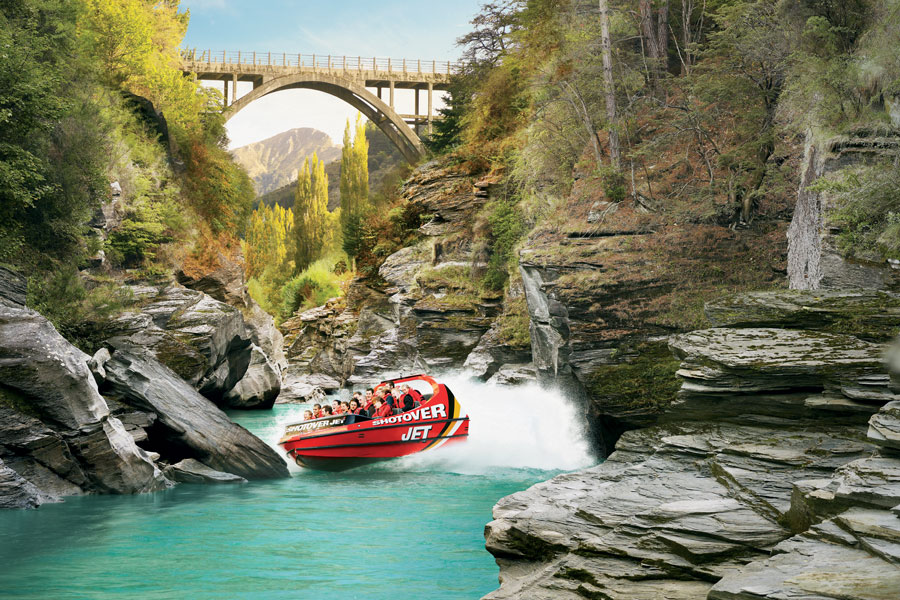
Lord of the Rings Queenstown

Trying to maintain business activity is a priority, as is retraining, affordable housing and related social goals. There is welcome new money ($NZ15 million in the first year and $NZ45 million in the second) for screen production that has been decimated by COVID-19. Overseas film investment in New Zealand had been significant and in places like Queenstown that was both financially crucial and technologically stimulating – a firm there now produces the most advanced aerial photography cameras in the world. https://www.odt.co.nz/regions/queenstown-lakes/queenstown-movie-cameras-taking

There is also $NZ400 million to help revive tourism which is where a real question arises. Can we simply try to recreate what was there before? As in Venice and elsewhere overwhelmed by mass tourism, the answer is almost certainly no.

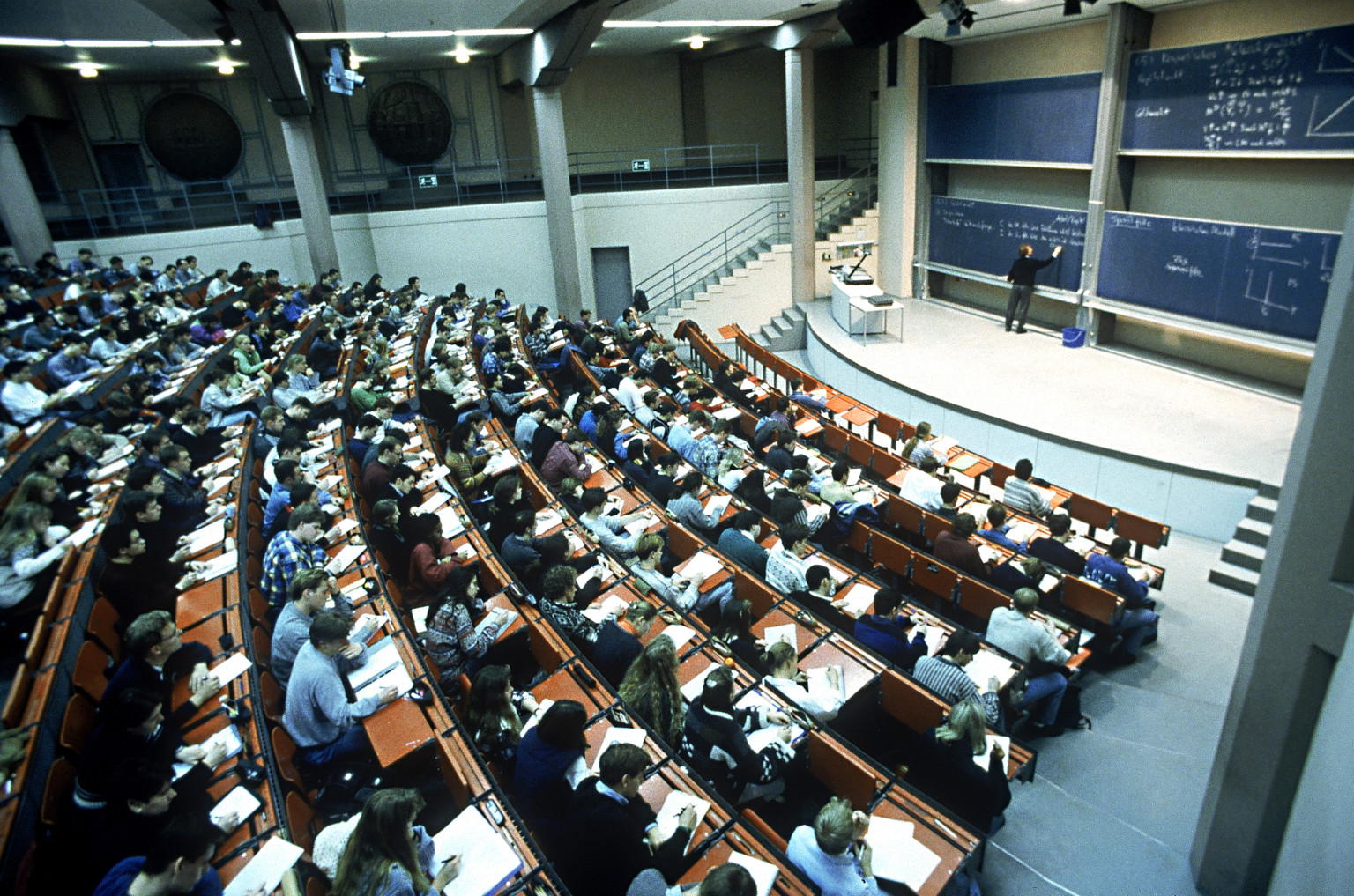
That flows on to other sectors. In the university world, will we ever again use all those huge lecture theatres in the wake of social distancing and the onset of mass online delivery? In the corporate one, who will willingly go back into open plan offices? And how much will the work-from-home approach carry on after this recent spell? https://builtin.com/remote-work/covid-19-remote-work-future

Lecture Theatres

More significantly, how do we leapfrog from where we were more directly into the future? That is to say, we now have an opportunity to seriously invest in the future. In the New Zealand and Australian cases that most obviously means investing far more significantly in the smart and/or digital economy to get us back up with global trends. Right now we are still price-takers for commodities and services rather than price-setters for new technology.

It can be done. A Chinese student who attended the Sydney college I work with has, on the basis of work done while in Australia, created a major drone company that has revolutionised agricultural spraying in China with the technology adaptable to deal with the virus condition. https://www.weforum.org/agenda/2020/03/three-ways-china-is-using-drones-to-fight-coronavirus/

Australia and New Zealand have skills and capabilities in these areas and right now, I would argue, is the time to support them strongly so we can rebuild a forward- rather than backwards-looking economic outlook. It would be a pity to go through all this and waste a major opportunity. As Richard Russo has his character, Teddy, ruminate at the end of Chances Are:

What made the contest between fate and free will so lopsided
was that human beings inevitably mistook one for the other,
hurling themselves furiously against that which is fixed and
immutable while ignoring the very things over which they actually
had some control.

Change and Consequence

A couple of days ago the cruise ship Magnifica had the dubious distinction of being the last such vessel in the world to dock following the onset of COVID-19. https://www.news.com.au/travel/travel-updates/health-safety/coronavirus-last-cruise-ship-on-earth-finally-allowed-to-dock/news-story/f8ae4a3f71ef6939efc01bd767d27b04

It was a remarkable journey for its more than 1700 guests: they were last allowed ashore in far-off New Zealand on 19 March, and since then had been roaming the seas looking for a port that would have them. That included a couple of days in my hometown of Fremantle in Western Australia where they were not allowed ashore. It is odd to think that Sandi and I cycled past them here yet they would not set foot on land until France. That is a lot of sea days, in cruising parlance, and especially so when there was not one virus infection notified. https://www.cruiseindustrynews.com/cruise-news/22819-last-cruise-ship-at-sea-returns-to-port-with-msc-magnifica-back-in-marseille.html

Magnifica is owned by MSC Cruises, part of the Mediterranean Shipping Company that more broadly is the second largest container shipping company in the world. The cruise division is the fourth largest in the world (behind Carnival, Royal Caribbean, and Norwegian) but the largest to be privately owned. It was founded in Naples but, ironically for a cruise company, headquartered in Geneva.

Its executives, like all the others in the industry, will now be figuring out what happens next, with most options looking ugly. Where publicly traded, cruise industry shares have been smashed. https://www.cruiseindustrynews.com/cruise-news/22565-black-monday-for-cruise-line-stocks.html

Some dire predictions see the end of the industry, period. https://www.abc.net.au/news/2020-04-13/coronavirus-spells-the-end-of-the-line-for-cruise-ships/12141140 That is probably fanciful, even though the immediate prospect of a boatload of individual and class legal actions is daunting in scale, time and magnitude as well as complexity. https://oklahoman.com/article/5659242/centuries-old-laws-may-shield-the-cruise-industry-from-huge-payouts-in-coronavirus-suits

Meanwhile the human cost of the past three months continues for passengers and crew. http://www.cruisejunkie.com/events.html https://www.cruiselawnews.com/

What this all points to, though, is the impact the virus has had on mass tourism globally. In countries like Australia and New Zealand, where tourism invariably appears among the top three or four export income earners, the impact has been massive. In New Zealand, the budget impact is palpable, a major contribution to what is being imagined as a massive recession. https://www.msn.com/en-nz/news/other/tourisms-collapse-will-leave-a-pretty-big-hole-in-the-economy-economist/ar-BB11y9iS

Jetboat

My “other” hometown of Queenstown is a case in point, having gone from boom to bust in a moment. https://www.newshub.co.nz/home/travel/2020/04/coronavirus-plans-to-cut-hundreds-of-tourism-jobs-a-horror-story-queenstown-mayor.html Locals are reporting major social issues and the need for food support for families and foreign workers as major tourism companies close up shop.

The knock-on effects are clear. In recent times Queenstown has averaged over three million visitors a year. That is why a town of about 16,000 people had hosted four or five major supermarkets, three major hardware chain outlets (with a fourth planned) and a slew of bars, restaurants, cafes and coffee shops to service all the takers for bungy jumping, mountain biking, hiking, skydiving, paragliding, jet boating and all the rest.

That is why this small town, immediately before the virus hit, had New Zealand’s highest accommodation rental rate (and a median house price sale level that has only just retreated below the $NZ1 million mark). That rental market collapsed because of two things: demand vanished, and a raftload of AirBnB short term rentals returned to long term ones. https://www.nzherald.co.nz/business/news/article.cfm?c_id=3&objectid=12317667

This is replicated around the world.

Flight Centre

In Australia the carnage is best demonstrated by the case of mass travel company, Flight Centre, a hitherto “good” story of how three entrepreneurial Aussies turned themselves into collective billionaires. A year or so ago the share price stood at $A61. It is now under $A10.

In Spain, where tourism accounts for 11% of GDP, the industry has collapsed. https://www.theguardian.com/world/2020/mar/25/coronavirus-spanish-hotels-fear-tourists-will-take-a-long-time-to-return

And Barcelona, one of my favourite cities, is a lot like Queenstown. It had reached thirty million visitors a year, at least three million of those coming off cruise ships. That is all now gone. https://www.nationalgeographic.com/travel/2020/04/coronavirus-barcelona-goes-from-overtourism-to-no-tourism/ As Isabelle Kliger points out, Barcelona is one of the places that has transformed immediately from over-touristed to non-touristed, and that is the Queenstown story.

That immediately questions the future. Take air travel, for example. Here in Australia Virgin has effectively gone bankrupt with the federal government pressured to bail it out simply to avoid a Qantas monopoly. The New Zealand government has already provided Air New Zealand with a loan, simply because there is no other airline. Between now and Christmas Air New Zealand will run a skeleton domestic schedule and the barest international one to Australia and islands in the South Pacific.

Notably, that domestic schedule at present does not include Queenstown which has gone from about thirty flights a day to…none. Not one. The tourist market drove the need. So how Queenstown reimagines itself will have a major impact on how it finds itself in the national framework – there is an obvious need to move away from mass to higher value tourism. https://www.freecen.org.uk/search_queries/5e9fdfce4325a65bdb66c85d?locale=en

Smart Economy

But there is also a need to develop a much larger smart economy alternative that becomes a price-setter rather than a price-taker. Some Queenstown thinkers have been saying that for a few years now, and authorities might be wishing they had listened more closely if they look around the world. https://www.weforum.org/agenda/2020/02/most-innovative-economies-global/

The chain reactions here obvious. To produce a smart economy means the need for a smart education system seen as an investment rather than a cost. And that does not mean transforming university systems into mass ones, as Australia has done (where over half the total number of students enrol in business courses). The investment itself needs to be strategically targeted.

gettyimages-1217654631
The Broadway League announced today that theaters will remain closed until June 7, effectively ending the 2019-2020 season.

And there is a hugely important point to be made here- that investment must not be totally and exclusively in STEM (Science, Technology, Engineering, Mathematics).
It has become a truism in recent weeks that the arts and culture industries globally have been massacred, at the very time vast numbers of people have survived the lockdowns in their countries by reading; watching live streamed music and theatre performances; binge-watching film and television programs; watching virtual displays and demonstrations from galleries and museums; or scouring online databases for family histories.

The inversion here is obvious.

Cost cutting in most economies has immediately victimised soft targets like art and culture at the very time their works are most needed. That cannot happen again, and countries should look to the likes of Germany and the UK for future investment patterns. https://www.artforum.com/news/uk-and-germany-launch-emergency-funds-for-the-arts-as-us-museums-call-for-aid-82557

And those arts and culture issues are not the only unexpected consequences of the virus sweeping the world. In that dreadful epicentre of New York City there are some surprising statistics that offset horrible ones like the 2,637% increase in unemployment. Air pollution has declined 25%. Trash in Manhattan has retreated 7%. Crime has declined 30%. Traffic congestion at the main bridges has gone down by 60%. And there have been 3000 applications to foster dogs. https://www.nytimes.com/2020/04/20/nyregion/coronavirus-nyc-numbers-unemployment.html?referringSource=articleShare

A lot of that will disappear when economies are “opened” again, but the numbers are a reminder of what might be if we plan and develop carefully. In Delhi, for example, the air quality has been the best in years, and elsewhere across northern Indian people have seen mountains for the first time in ages as the haze disappears. https://www.theguardian.com/environment/2020/apr/11/positively-alpine-disbelief-air-pollution-falls-lockdown-coronavirus As we “recover”, it would be marvellous to plan to retain at least some of that.

And then there are all those reports about the return of the wildlife. https://www.mnn.com/earth-matters/animals/stories/animals-return-humans-coronavirus-lockdown

Wild goats have moved into Llandudno in Wales. https://www.telegraph.co.uk/news/2020/03/31/watch-wild-goats-take-deserted-welsh-town-coronavius-lockdown/
Orcas have bobbed up in Wellington harbour in New Zealand. https://www.bing.com/videos/search?q=orcas+in+wellington+harbour&&view=detail&mid=BE578D2BEAFC1BD97BC6BE578D2BEAFC1BD97BC6&&FORM=VRDGAR&ru=%2Fvideos%2Fsearch%3Fq%3Dorcas%2520in%2520wellington%2520harbour%26qs%3Dn%26form%3DQBVR%26sp%3D-1%26pq%3Dorcas%2520in%2520wellington%2520harbour%26sc%3D0-27%26sk%3D%26cvid%3D95B880F298C94C9BB09469CE48343D2D

But what about those “dolphins in Venice canals” stories? Regrettably, not true. https://www.nationalgeographic.com/animals/2020/03/coronavirus-pandemic-fake-animal-viral-social-media-posts/

Therein lies another pointer for future thinking, though – what do we learn about human behaviour from all this because, in the end, that behaviour determines whether or not we learn anything from what in too many world locations has been a ghastly tragedy.

The Great Tulip Collapse

At least seven cruise ships are now off the Western Australian coast, retreating to who-knows-where as their future remains unclear following the COVID-19 carnage that has unfolded around them here and elsewhere around the world. WA premier Mark McGowan has maintained his hostility towards them with a “don’t bother stopping” message. https://www.watoday.com.au/national/western-australia/keep-on-going-premier-s-blunt-message-for-cruise-ships-rounding-wa-coast-20200409-p54ipg.html

For a good sense of what it is like aboard these ships, Captain Jonathan Mercer’s Amsterdam blog is excellent. The ship left Fremantle, crossed the Indian Ocean to Durban, disembarked South African crew there – then set off back across the Indian Ocean to Batam in Indonesia (just by Singapore) where more crew will leave. He now considers the Amsterdam as a “leper” ship, a sad thing for any Captain but especially so for him on his very last voyage. http://captainjonathan.com/10th-april-2/

Magnifica Chef

There is one great human story amidst all this. A couple of posts or so ago I mentioned that the Magnifica had been here in Fremantle a few weeks ago but not allowed to land. It, too, set off across the Indian Ocean only to find a host of ports closing up. It originally was to land in Colombo in Sri Lanka but a ban appeared there, too. A Sri Lankan junior chef videoed a message to the President of the country and, lo and behold, as the ship passed Galle an armed forces vessel arrived to take said chef home. https://www.newsroom.co.nz/2020/04/12/1124937/any-port-in-a-coronavirus-storm

The rest of the passengers and crew are, no doubt, hoping to find a similarly sympathetic ear somewhere else. I suspect a lot of videos are also being made.

Back in Australia, meanwhile, deaths among Ruby Princess passengers have reached at least seventeen, and positive VOVID-19 tests have now been recorded among North Americans who were on the ship. Authorities think there may be as many as nine hundred of them with just a fraction tested. https://www.abc.net.au/news/2020-04-13/coronavirus-concerns-for-international-ruby-princess-passengers/12143544

So the international cruise industry remains under extreme pressure (with class actions mounting), with company and peak body leaders struggling to maintain momentum. But if it is any consolation, they are not alone.

Tulip Holland

These on-going virus developments trace the impact being felt in unsuspected quarters, and one such has just appeared in a New York Times report about the collapse of the Dutch tulip market. Almost 150 million of them have been crushed as demand disappears because flower shops around the globe close in the face of cancelled celebrations. International Women’s Day, for example, is a huge day for flowers, but not this year.

The Dutch industry is worth around $US7 billion a year so many jobs have been lost and the future looks grim. https://www.statista.com/statistics/581482/value-of-the-import-and-export-of-tulip-bulbs-in-the-netherlands/

And one major supplier saw a direct cruise-related problem: a big client is Viking River Cruises who will have no American passengers this season, and that was worth about a million Euros. https://www.nytimes.com/2020/04/12/world/europe/netherlands-tulips-coronavirus.html?referringSource=articleShare

Tulip Market

Interestingly, the industry was already facing a challenge. The world-famous “floating” tulip market in Amsterdam had been accused of scamming tourists: bulbs did not bloom, fewer bulbs than advertised were in packets and reactions were poor. The cruise effect was again present – as Amsterdam banned the ships, numbers at the market were in decline anyway. https://www.theguardian.com/world/2019/oct/15/amsterdam-tourists-tulip-scam

Amsterdam city

This is calamitous but not catastrophic as it was almost four hundred years ago in 1637 when the Amsterdam tulip price endured what was in many respects the world’s first future market collapse.

Tulip Bust

Tulips originated really in Persia, as it was, and reached Amsterdam via Vienna from Constantinople (Istanbul) in 1554, courtesy of Ogier Ghiselin de Busbecq, the illegitimate son of an aristocrat on the Franco-Belgian border. He was the Holy Roman Empire’s Ambassador to the Ottoman Empire, but also a trained botanist who had studied at the University of Leuven and several Italian ones.

ogier-ghislain-busbecq

Tulips became like the spices of the East Indies (Indonesia), much sought after in Europe with status and custom driving up the price. The Dutch discovered that their conditions were ideal for tulips, and experimentation mixed with market demand to produce new colours and styles, and escalated prices. By the time the mania peaked a single bulb might change hands in exchange for several acres of land, or for ten times the annual wage earned by a skilled artisan. It was true market mania driven as well by demand from the French, and it came to shuddering collapse in February 1637.

And there is a virus connection. The collapse started in Haarlem where no one turned up to an auction – as more or less has happened now – and that was partly due to a local outbreak of the bubonic plague. https://www.investopedia.com/terms/d/dutch_tulip_bulb_market_bubble.asp

Temple flowers

The present Dutch collapse has been matched elsewhere. In India, for example, the lockdown has smashed the sale of flowers for weddings and for Hindu rituals. Anyone who has been near a Hindu temple will know they are surrounded by flower sellers, with the making of garlands a major industry. That has all gone and growers around the country are dumping millions of blooms to become part of the emerging economic problems now faced by Narendra Modi’s government. https://www.businessinsider.in/business/news/farmers-destroy-millions-of-flowers-for-lack-of-demand/articleshow/74914792.cms

And the problem has extended to the far-flung reaches of New Zealand where entrepreneurial horticulturalists have also run into problems. In Southland, for example, one farming family grew and exported bulbs as an alternative to the traditional sheep, cattle and dairy enterprises. They are now hit both by the falling global demand and the rising domestic New Zealand quarantine requirements brought on by the battle against COVID-19. https://www.stuff.co.nz/business/120704172/coronavirus-no-export-for-150-million-tulip-bulbs

Tulips NZ

Smaller businesses have been hit in New Zealand, too, with lily growers facing the loss of an annual income. https://www.tvnz.co.nz/one-news/new-zealand/mowing-over-40k-worth-lillies-non-essential- flower-business-says-future-bleak  This has been just the latest aggravation for a New Zealand industry that has fallen steadily over the past ten years. https://www.stuff.co.nz/business/farming/opinion/97268072/brad-markham-the-growing-problem-with-new-zealands-floriculture-industry   It’s future growth will likely be stunted significantly.   https://www.statista.com/statistics/1008454/new-zealand-flower-plant-seed-export-value/

These knock-on effects of the virus keep emerging, and that alone should caution against any imagined immediate return to “normal”. The idea of normal will be much challenged in the times directly ahead of us.