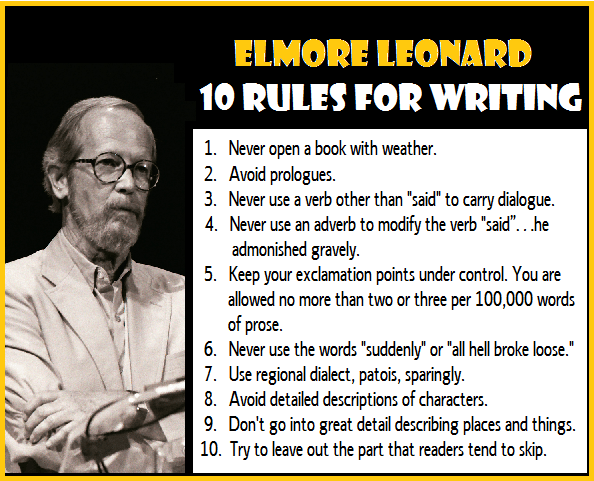
In Australia now, a stimulating read is hard to find in the public media with newspapers like The Australian retreating even further into mediocrity and hard right conservatism, opinionistas like Greg Sheridan or Paul Kelly braying the importance of Trump and bemoaning the loss of “traditional values,” politicians like Andrew Hastie prospecting war within a decade.
So being diverted by well researched and wonderfully written long-form piece in a journal like Harper’s is a relief. One by Daniel Bessner in the May edition on the transformation (for the worse) of Hollywood struck me particularly. It might be the best-yet explanation of what has happened to screenwriters and, among other things, why the writers’ strikes keep occurring and “franchise” films (notably from Marvel) dominate screens. Read it and learn, but in brief he outlines how a contracting number of private equity-dominated film houses lean on a similarly narrowing group of talent agencies to source new projects from “intellectual property (that which has been created before) rather than by new creative minds.
An outstanding piece, and a timely reminder we must keep trying to find such things. Much of my media-based information these days, for example, comes from Nikkei Asia, an English language offshoot from the Japanese Nikkei Company that incorporates the Financial Times and also publishes a Chinese paper. Katsuji Nakazawa, one of Nikkei’s leading writers, is a leading authority on Xi Jinping’s China but referenced too rarely outside Japan.
There is an important link between Daniel Bessner’s film writing world and the broader books and writing one where a similar transformation has occurred – a handful of conglomerate publishers work with a similarly aggregated small number of agencies so that a select group of writers dominates the market while most others need additional occupations to support their habits. “Midlisters” – who made a liveable earning from full time writing – have more or less disappeared.
One major effect, in the eyes of some, is that increasingly risk averse major houses end up publishing more of the same or replicating successful works produced by competitors, the publishing version of Bessner’s “product” or “intellectual property.” In turn, that helps explain the ongoing conundrum of there being more and more to choose from but less and less to select. Many readers, then, now contemplate a narrower selection variety spectrum.
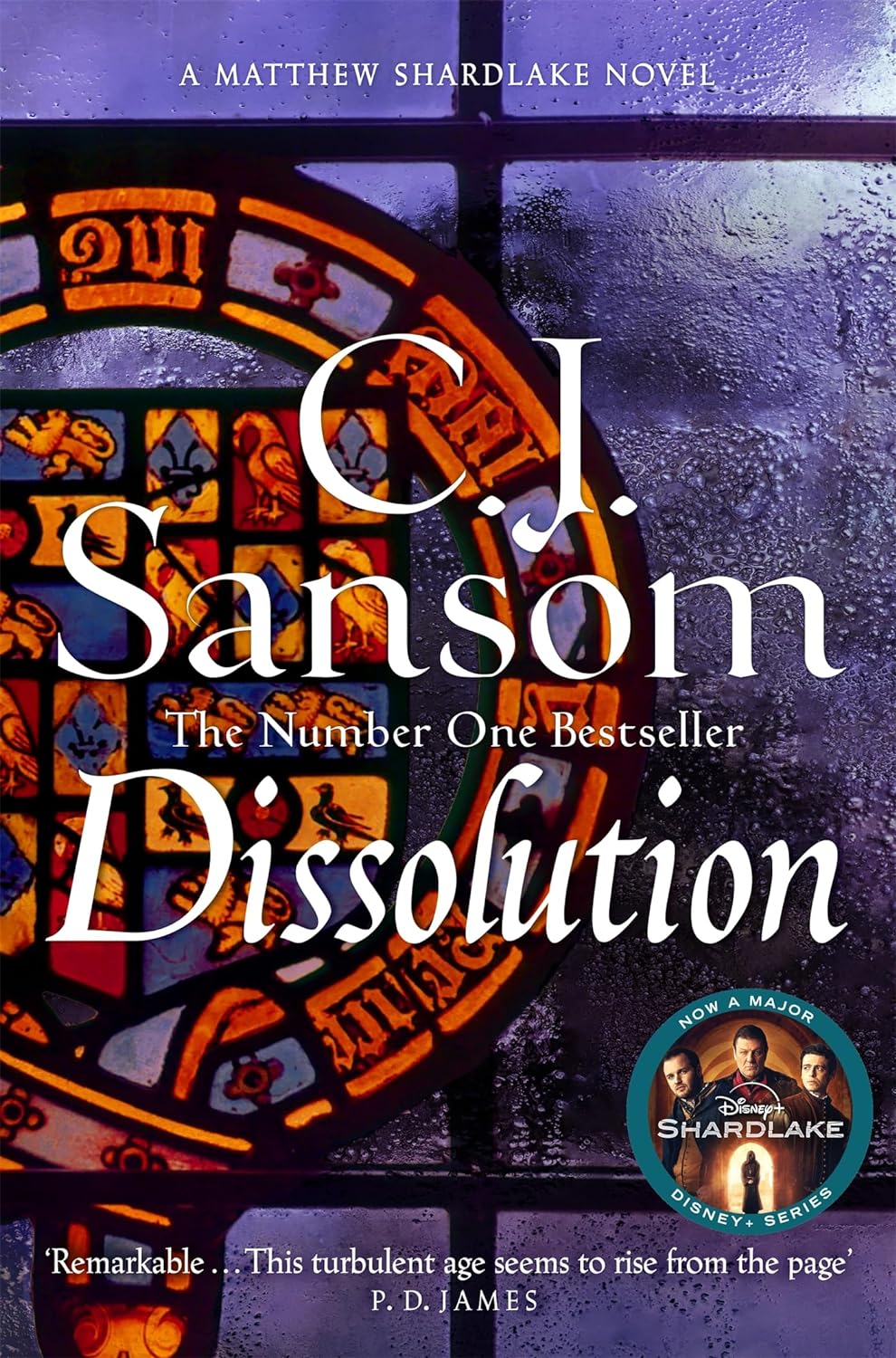
One of the best things I have read in a while, sadly, was a reread of CJ Sansom’s Dissolution occasioned by the author’s passing a few weeks ago. Chris Sansom did a PhD on Tudor history but retrained as a lawyer. His protagonist in Cromwell’s England is a hunchbacked lawyer, Matthew Shardlake who, throughout the series, navigates the era’s bloody politics while recording everyday life, customs and hardship. They are remarkable books and Sansom was a wonderful writer much missed already, as we miss Philip Kerr whose Bernie Gunther series set in Nazi Germany laid a benchmark for crime writing.
The strength of the Shardlake books stands confirmed in the just appeared new television series, but I need declare a conflict of interest. I had already read and admired Chris Sansom’s work by the time my first crime novel appeared. But that affinity shot up significantly when “Spadger,” an early A Madras Miasma reviewer, described its writing to be so good as to make Chris Le Fanu, my protagonist, as convincing and compelling a character as Matthew Shardlake. I could not have asked for a better compliment.

Sticking with crime and thrillers, Charles Beaumont’s A Spy Alone is a cut or three above the average. Written by an ex-MI6 operative, the book revolves around the idea that just as Cambridge produced Burgess et al, surely there must have been a similar set at Oxford. The key character is a down at heel former spy now out in private detective work, commissioned to follow up some leads and unravelling a complex skein of coincidences.
It has rightly been compared favourably with the Charles Cumming and Mick Herron books, and I rate it above the other current favourite, David McLosky’s Damascus Station. David Downing’s Zoo Station, like Phil Kerr’s books, is set in 1930s Berlin and has a similar trajectory but because of that does not come out as a fresh work, good though it is. If you haven’t read Kerr, you will probably see it differently because Downing can write.
Phil Halton’s Red Warning is a reminder of Afghanistan’s ongoing issues, his local cop hero struggling with the aftermath of decades of conflict and the social consequences that have followed. Halton knows the area and that comes across well, though for me the main character is a little difficult to warm to and/or understand.

Across in the more directly noir scene Jordan Harper’s Everybody Knowsis a hot property with endorsements from Megan Abbott, Sean Cosby, Attica Locke, Harlan Coben and James Patterson. It is classic LA noir, a hard edged publicist drawn into a destructive cycle of events surrounding Hollywood and the influencer set with enough twists, turns and violence to satisfy the devotees of this genre.
It is good, new generational and all the praise is warranted. Somehow, though, the LA benchmark is still Michael Connolly. Unfair? Probably – I await the next Harper with interest.

Don Winslow, on the other hand, is a top draw mainstreamer and I have been devouring City of Fire as a start to what he reckons is his last trilogy (and, indeed, last ever book). Set in the 1980s, it portrays the Irish and Italian gangs of east coast America and is a real page turner, as are all his books. The characters are vivid, the storyline compelling, the settings distinctive and the action non-stop. He has always been a great dialogue writer and is in top form here, the “voices” authentic with wry humour relieving the violence. He really is one of the great crime writers.
Followers here know I am a Lou Berney fan, so his new book Dark Ride was high on my list to be read, and it is good. His unlikely hero is a hapless fun park ride operator who notices some very young kids looking vulnerable. He contacts the authorities, gets the run around, so starts investigating the circumstances himself. Of course, it all goes pear shaped and he puts himself in danger by antagonising drug runners and thugs, so we follow him as he becomes sharper and wiser. It is well worth a read.
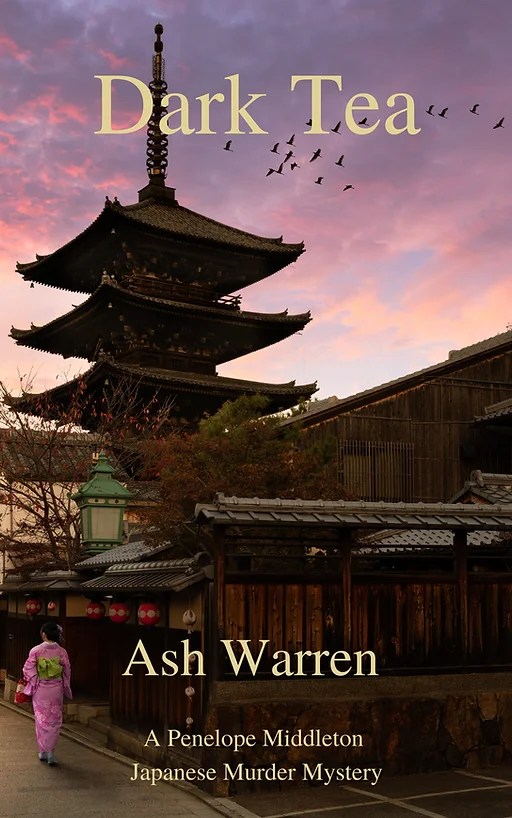
On the international front, let me mention Dark Tea, a “cozy” crime set in Japan and written by my Tokyo-based friend, Ash Warren who has also produced a marvellous book on sumo entitled Salt. Dark Tea features a retired foreign academic who uses her intellectual skills and knowledge of Japan to solve the mysterious death of the head of a major tea ceremony school family. A gentle story, it unlayers the intricacies of Japanese culture and practice.
Ed Lin’s Ghost Month is a sharper noir set in Taipei which I reread in advance of spending a few days there recently. It is one of those books that demonstrate the difference between an “inside” and an “outside” observation of a city and its population. That is often the marker of great works as we think of, say, Connolly and LA, Rankin and Edinburgh, Peter Temple and Melbourne, Fred Vargas and Paris and all the rest. Ed Lin’s book is set in many of the Taipei locations I saw, but tells a story largely hidden from the outsider, so as well as being a good read is an instructor about what is really going on there.
Abraham Verghese’s The Covenant of Wateris a major best seller and he has recently been on tour in New Zealand and Australia. It is more literary fiction than crime but is set in Kerala, one of my favourite places in India. A big historical sweep, it tells the varying stories of family generations and draws on the area’s storytelling tradition. For anyone used to the tautness of crime fiction this will seem a lush, extensive and sometimes overworked book, but it captures the Kerala atmospherics and landscape perfectly.
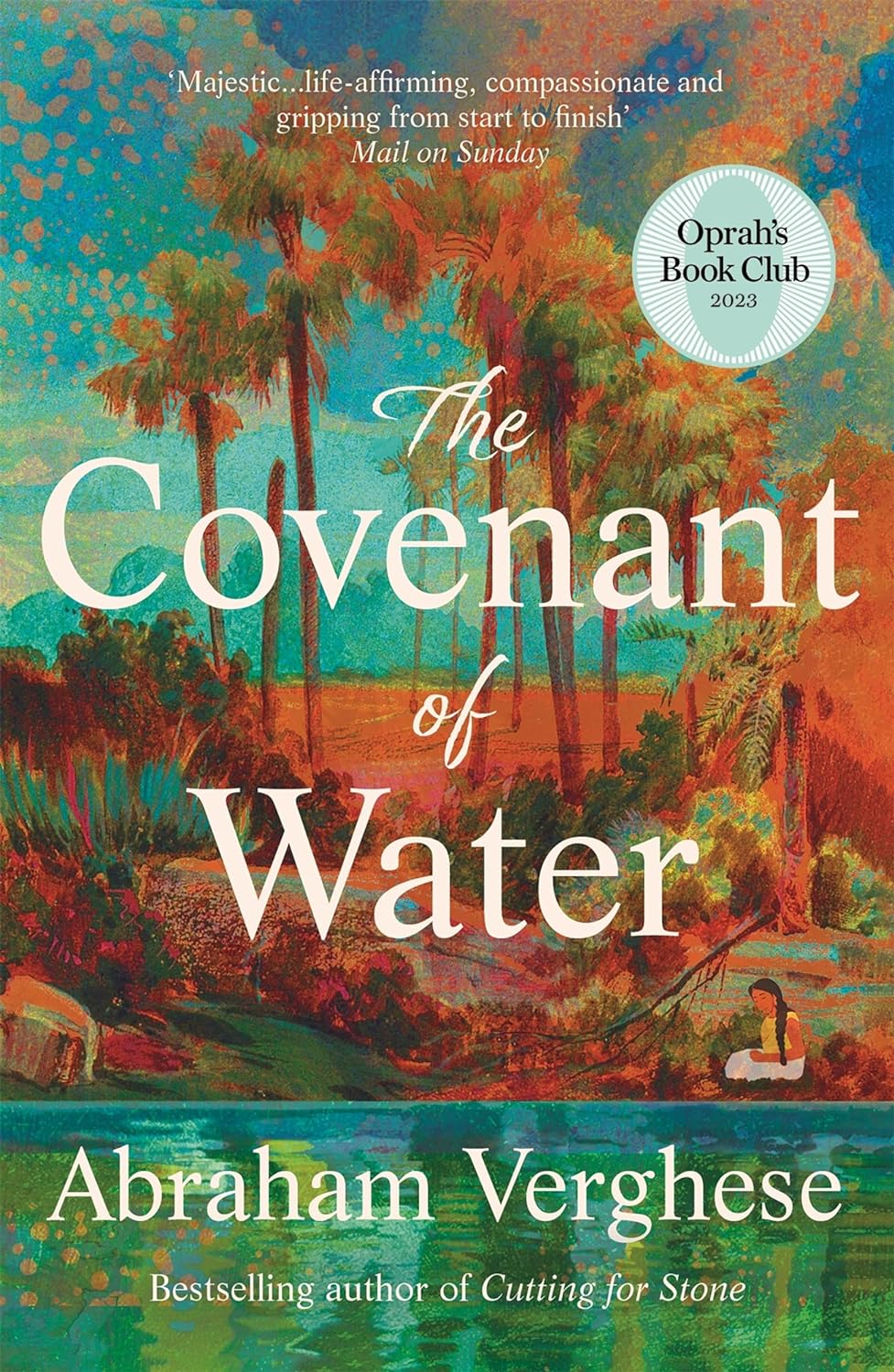
To my surprise, in his Notes, Abraham Verghese acknowledges my biography of Arthur Galletti as the source for a storyline idea. Galletti never served in “Malabar,” as the area was known under the British, but he did a lot of research on the early Dutch presence there and I enjoyed writing his story, so this was a nice moment.
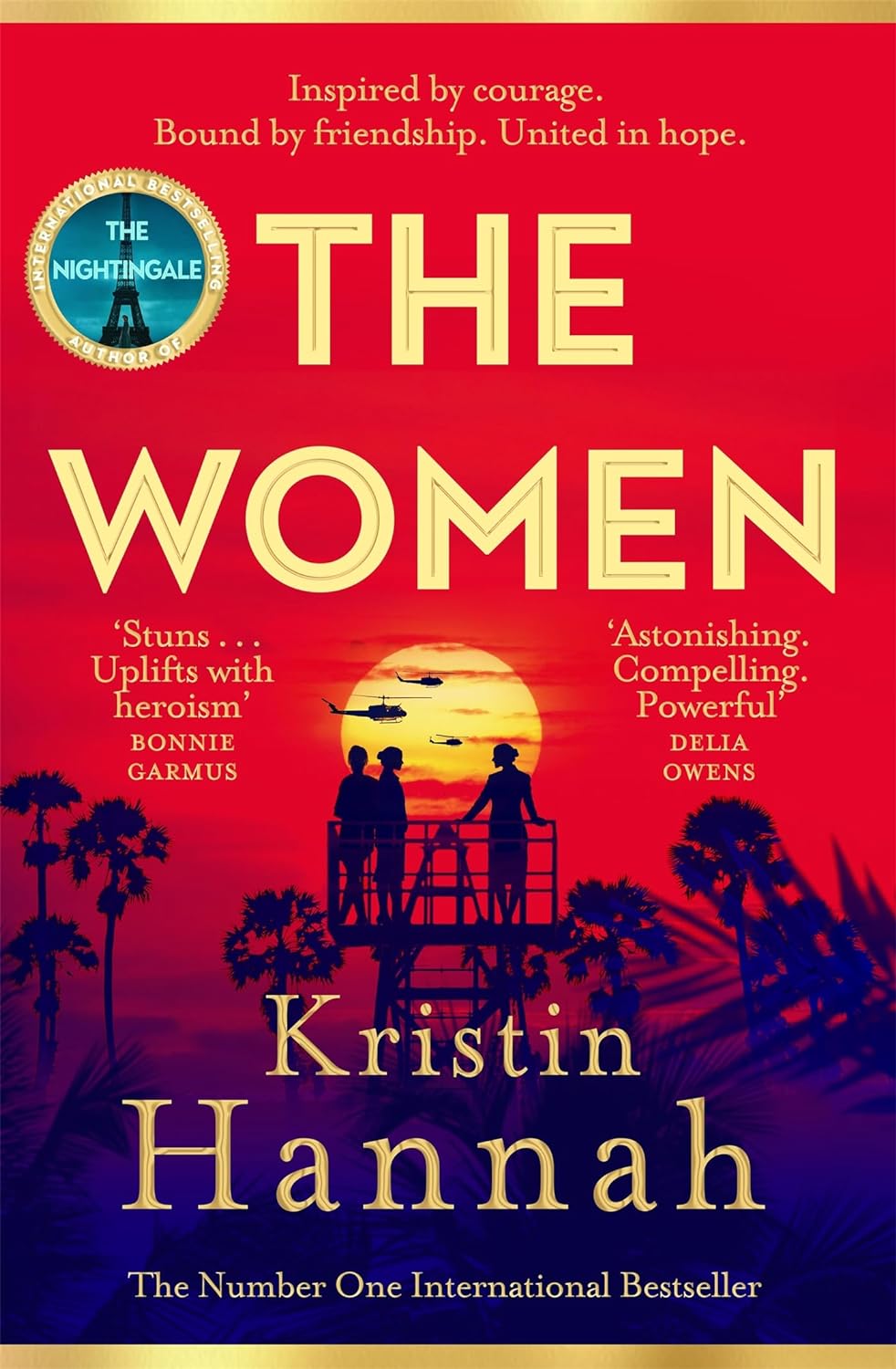
Continuing the literary fiction line, Kristen Hannah’s The Women recalls the extraordinary role played by nurses during the Vietnam conflict. She captures the period well, underlining the sexist tone that underplayed the importance of that work within and without the military world. The heroine is ostracised by her own family for joining up after her brother dies in combat. All the social tensions are played out against the backdrop of the burgeoning feminist push so, overall, the book is a great reminder of the period as a whole.
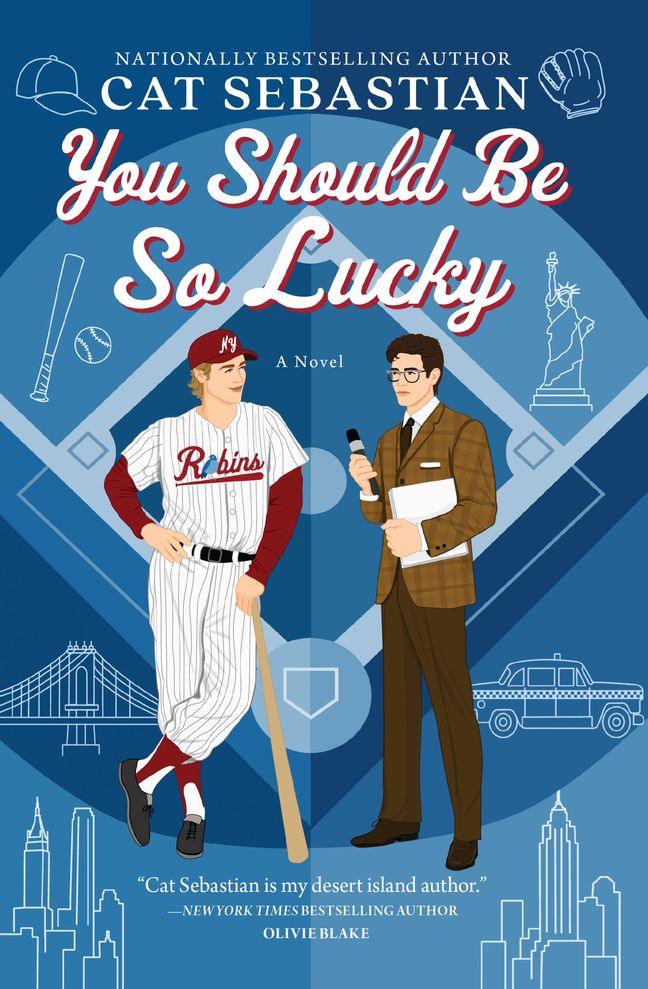
A very different book, Cat Sebastian’s You Should Be So Lucky tells the story of a gay baseballer meeting up with a gay journalist in 1950-60s New York. Her website declares she writes “queer historical romance” and this book shows how good genre swapping and crossing can be if done well. It is a different read, though, be aware. Any crime writer would be doing an edit, but Sebastian gets the sport and the era well, as well as the tensions of being gay during that period – remember McCarthyism and all that went with that? It does not really appear here but her atmosphere catches the drama.
And just to show the power of good creativity – throughout this baseball read I could not “see” the journalist character in any other form but “Trent Crimm” as played by James Lance in Ted Lasso, one of my favourite television watches in recent years.

These fictional creations, of course, often or indeed almost always have some origin in reality which takes us to non-fiction where my most evocative recent read has been A Hitch in Time, a selection of Christopher Hitchens’s essays for the London Review of Books. Who can forget his mesmeric television and personal appearances where he dominated everything and everyone by force of intellect and oratorical ability. He made iconoclasm look easy. The same goes for his writing, every essay contains gems of both expression and insight. It is still hard to believe he is gone, but the writing remains.
David Finkel’s The Good Soldiers and Thank You For Your Service, featuring American troops based in Baghdad then their return to the United States, are two of my all-time favourite books so I have been looking forward to An American Dreamer, his take on Trumpian America. Effectively, he follows a couple of his soldiers again to see how they react to what is unfolding in politics and society, producing some good insights and memorable lines. I came away, though, thinking that because his story draws on too narrow a social sample it perhaps comes out a bit “thin.” Finkel never imposes his own view, he is in a true sense a “reporter,” a skill that has deserted too many modern “journalists” (like those at The Australian). That is a bonus when a multitude of characters/subjects have plenty to say, but that is not the case here. But Finkel is always good to read and we do learn something of the new American order that worries so many people in the States and around the world.
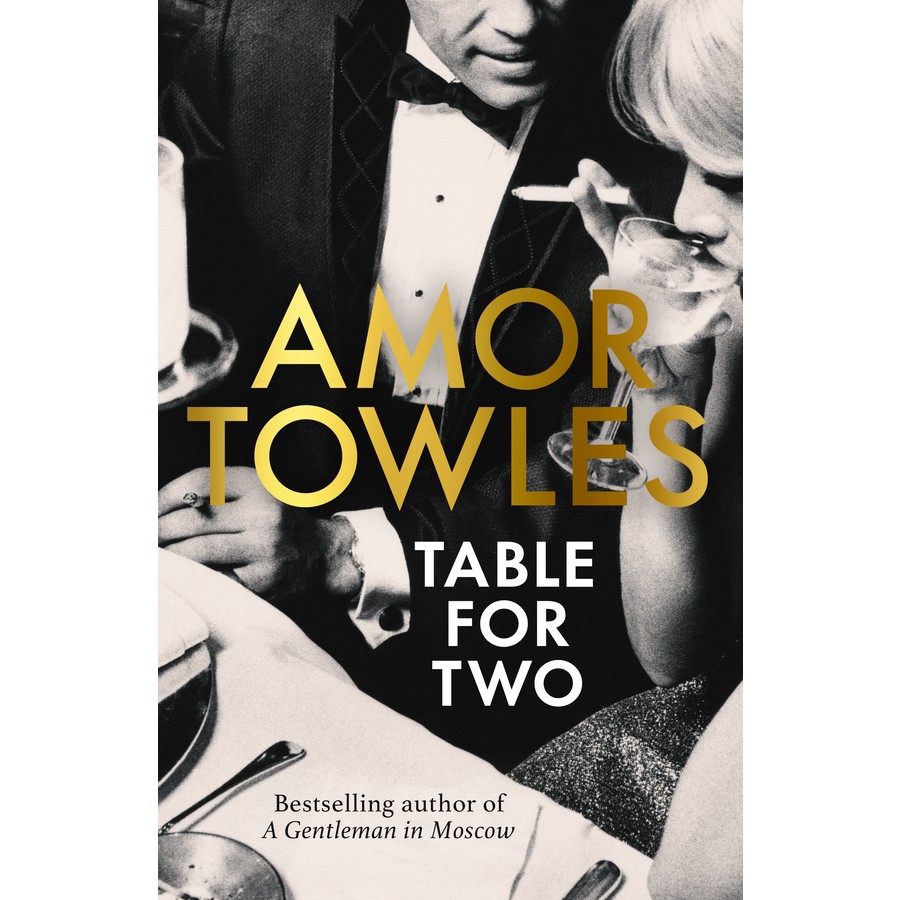
I would not often finish by suggesting there is something better than Finkel or Hitchens, but there is and it is back to fiction, the knockout Table for Two by Amor Towles. A Gentleman in Moscow; Rules of Civility and The Lincoln Highway have been spectacularly successful for him, and it is easy to see why. Here, in a series of linked novellas set in New York and then LA, he stalks the early days of the movie industry and its surrounding cultures. His heroine is one of the early fixers who looks after real names like Olivia de Havilland, protecting her from predatory bosses and actors like, of course, Errol Flynn. Towles really knows the history and is the supreme wordsmith – every page has some memorable writing. It is a wonderful, must read book.
Now I did mention Le Fanu. Well, I hope you will be pleased to learn (and tell your friends) that he is reappearing because we are progressively releasing new editions ofall four books in the series and will let you know the details very soon.
And because of that – and thank you all so much for asking – a new Le Fanu 5 is under way. Stay tuned!
NOTE: I may receive small commissions for some purchases made via links provided here.
 Brian Stoddart
Brian, fantastic reading and thanks for sharing! Glad you are once again safely back home after such an extraordinary travel experience! Cheers, Mate!
Sent from my iPad
>
LikeLike
Thanks again Clint, we’ll be in touch!
LikeLike